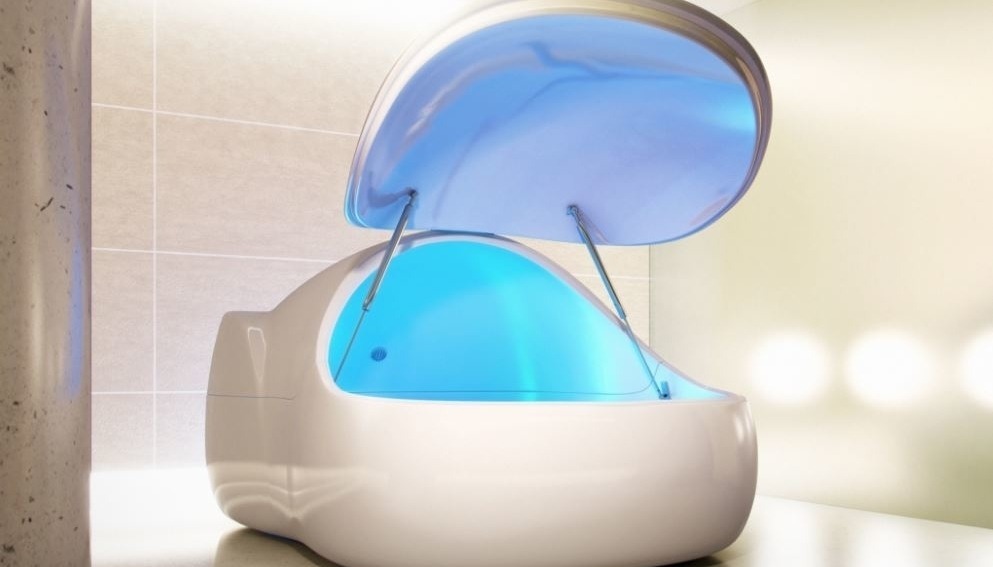
How Floatation Tanks Can Benefit Your Mental Health

Floatation tanks (otherwise known as sensory deprivation tanks or isolation tanks) are pitch black, soundproof tanks filled with salt water at skin temperature. Effectively, they allow you to float without sensory input. They are used for all sorts of reasons. Athletes use them in order to benefit their training and facilitate recovery from injuries. Meanwhile,…

View Post

Why It’s Difficult to Recover From a Depressive Episode

Depressive episodes vary in length. One person may experience the symptoms of clinical depression for a month, whereas, for another, the episode could last a year. The real cruelty of depression, however, lies in the fact that the very nature of the condition makes it difficult to recover from. I describe depression as the ultimate…

View Post

Depression is the Ultimate Thief

When talking about mental health conditions, about the emotional pain and turmoil that goes on in your head, elucidating the experience often depends on metaphor and analogy. This is what sets apart depression, say, from the flu or a broken leg. People can understand the experience of flu without metaphor – you have a splitting headache, aches…

View Post

How to Differentiate a Religious Experience From a Psychotic Episode

There are possibly many ways in which we can define a religious experience. We need to ask ourselves: What features should such an experience exemplify? There is also the issue of trying to ascertain whether a certain experience is pathological in nature. For reasons which will become clear, I will be using the term religious…

View Post

What I’ve Learned Since Giving Up Drinking

On 1st January 2017, I quit drinking. Which is 16 months ago now. Some months before then, I had consciously been cutting down on my alcohol consumption, as I wasn’t enjoying getting drunk that much anymore – and the hangovers had become severe. I couldn’t stand the feeling of being poisoned and that horrible, dirty,…

View Post