Nostalgia for a Past Unlived: What Anemoia Tells Us About Human Psychology and Culture

Anemoia, a coinage from the writer John Koenig – author of The Dictionary of Obscure Sorrows – refers to a feeling of nostalgia for a time one didn’t live through. I previously wrote about why this feeling arises, namely, by connecting it to Daniel Laidler’s concept of hagioptasia: the tendency to project ‘specialness’ onto certain aspects…

View Post

Emo’s Obsession With Car Crashes

Emo music is full of references to car crashes. When you’ve listened to enough of this type of music or watched enough music videos for emo songs, it can become apparent how recurrent this theme is in the genre, similar to the theme of ‘getting out of this small town’, ambulances, or hospitals. Examples of…

View Post

The Embrace of Jungian Ideas in New Age Culture

Jungian psychology is highly popular in New Age culture, and this is for several reasons, some perhaps quite obvious, and others less so. I would like to detail these connections between New Age spirituality and Jungian psychology mainly as an effort to show how particular models of reality and mind lead to an embrace of…

View Post

A Slice of British Anxiety: Mike Leigh and His Eccentric Characters

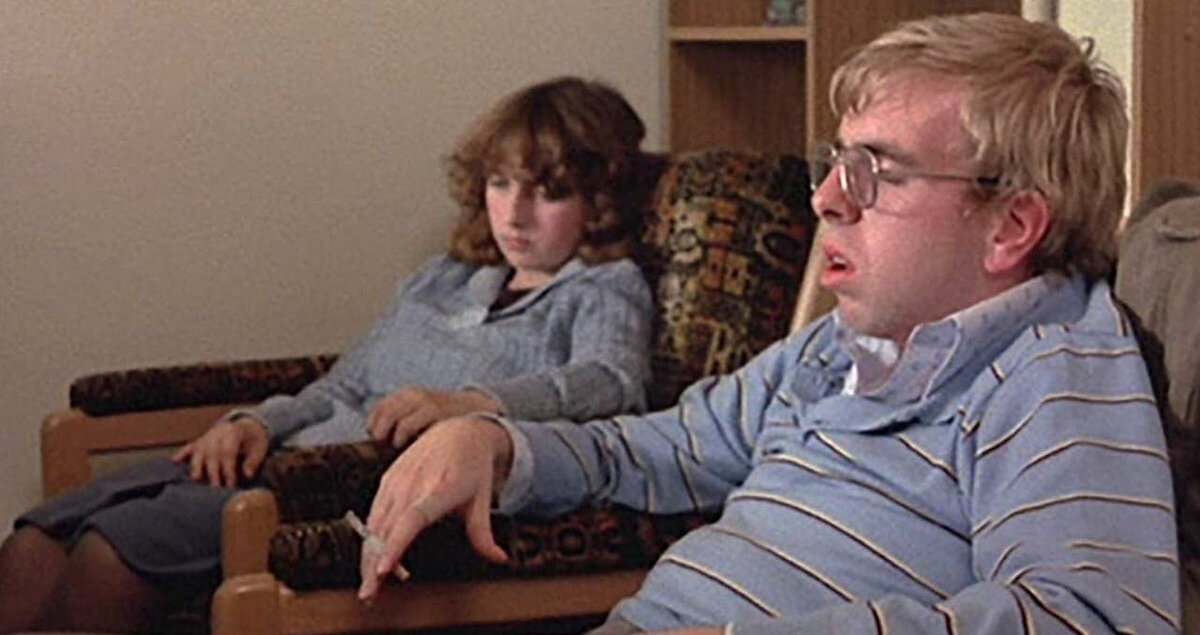
I recently watched Mike Leigh’s 1971 film Bleak Moments – his directorial debut. And while watching it, I again felt something about Leigh’s characters (or at least some of them), which I’ve felt watching some of his other films: they have a caricature-esque level of eccentricity. Others have drawn attention to this too, such as…

View Post

Psychedelics and Mark Fisher’s Theory of the Weird

Psychedelic experiences can be weird – sometimes extremely weird. Yet, the notion of weirdness is often not the primary focus in the psychedelic renaissance or psychedelic culture. Instead, the focus is often around the therapeutic or spiritual aspects of psychedelic experiences – themes like healing, mental health, personal growth, mystical experiences, etc. This isn’t to…

View Post