Here’s How Legalising Psychedelics Could Minimise the Risk of a Bad Trip

While the classical serotonergic psychedelics (LSD, mescaline, psilocybin, and DMT) are generally considered physiologically safe and non-addictive, they are certainly not without their risks. Negative experiences do occur – although, under a system where psychedelics are legal and regulated, this risk could be minimised. For a very tiny minority with a pre-existing or latent mental…

View Post

Schizophrenic or Shamanic? It Depends on the Cultural Context

An individual can display certain symptoms, but whether they are an indication of schizophrenia or shamanic abilities depends largely on the cultural context. By cultural context I mean the collective beliefs, values, expectations and responses of the community which shape the mentality and behaviour of the individuals within that community. Mental illness is heavily influenced…

View Post

Louis Wain: The Schizophrenic Artist Obsessed With Cats

Louis Wain (1860 – 1939) was an English artist best known for his drawings of anthropomorphised cats. In his later life, Wain developed schizophrenia, which psychiatrists speculated at the time was brought on by toxoplasmosis, a parasitic infection that can be contracted from cats. He was first committed to a mental hospital in 1924. He…

View Post

Julian Jaynes’s Theory of the Bicameral Mind
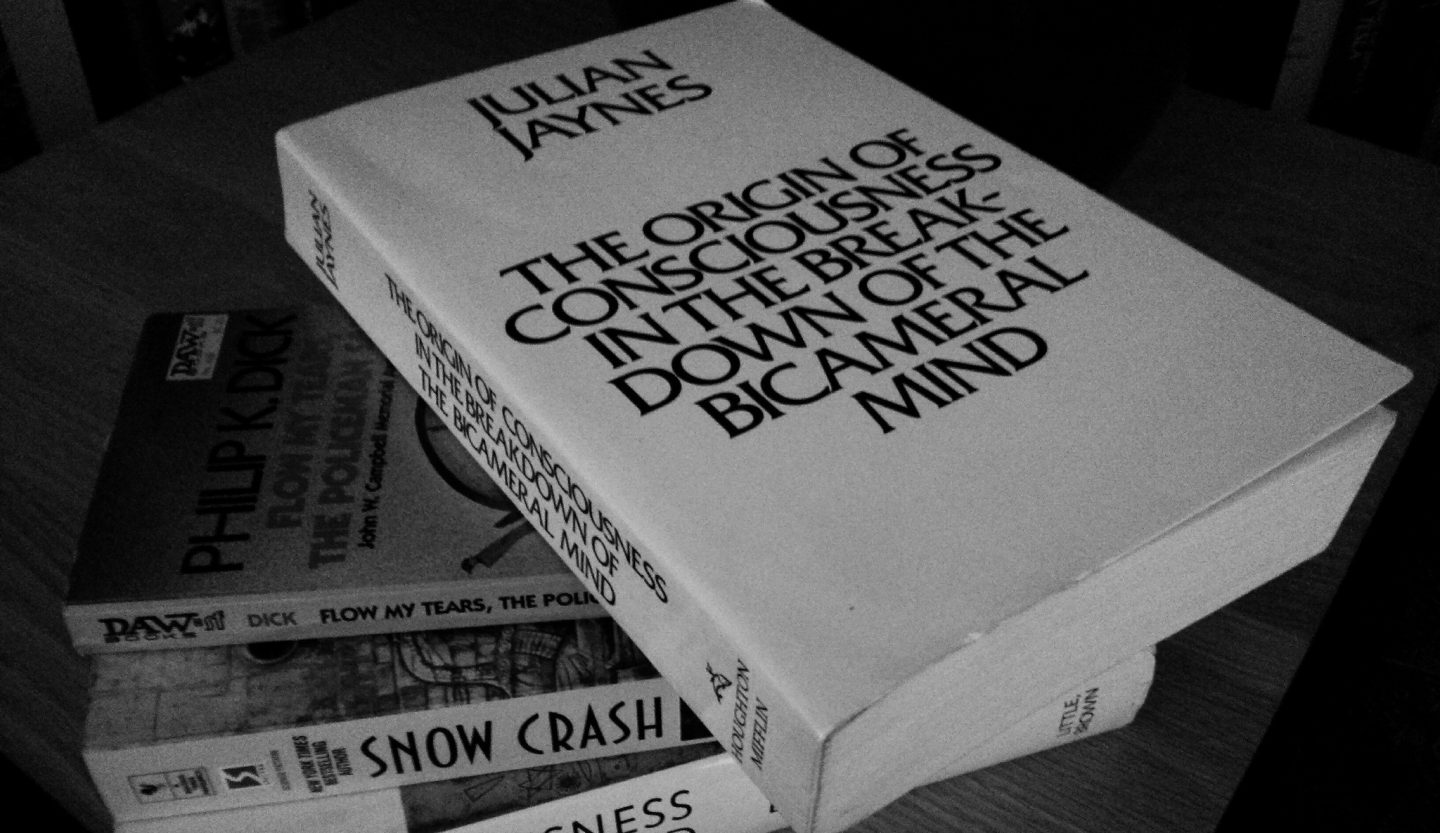
Julian Jaynes (1920 – 1997) was an American psychologist and is best known for his 1976 book, The Origin of Consciousness in the Breakdown of the Bicameral Mind. ‘Bicameral’ means having two chambers. The theory of the bicameral mind says that the two hemispheres of our ancestors’ brains – the left and right – carried…

View Post