Speculations on the Aesthetic Appreciation of Geometry
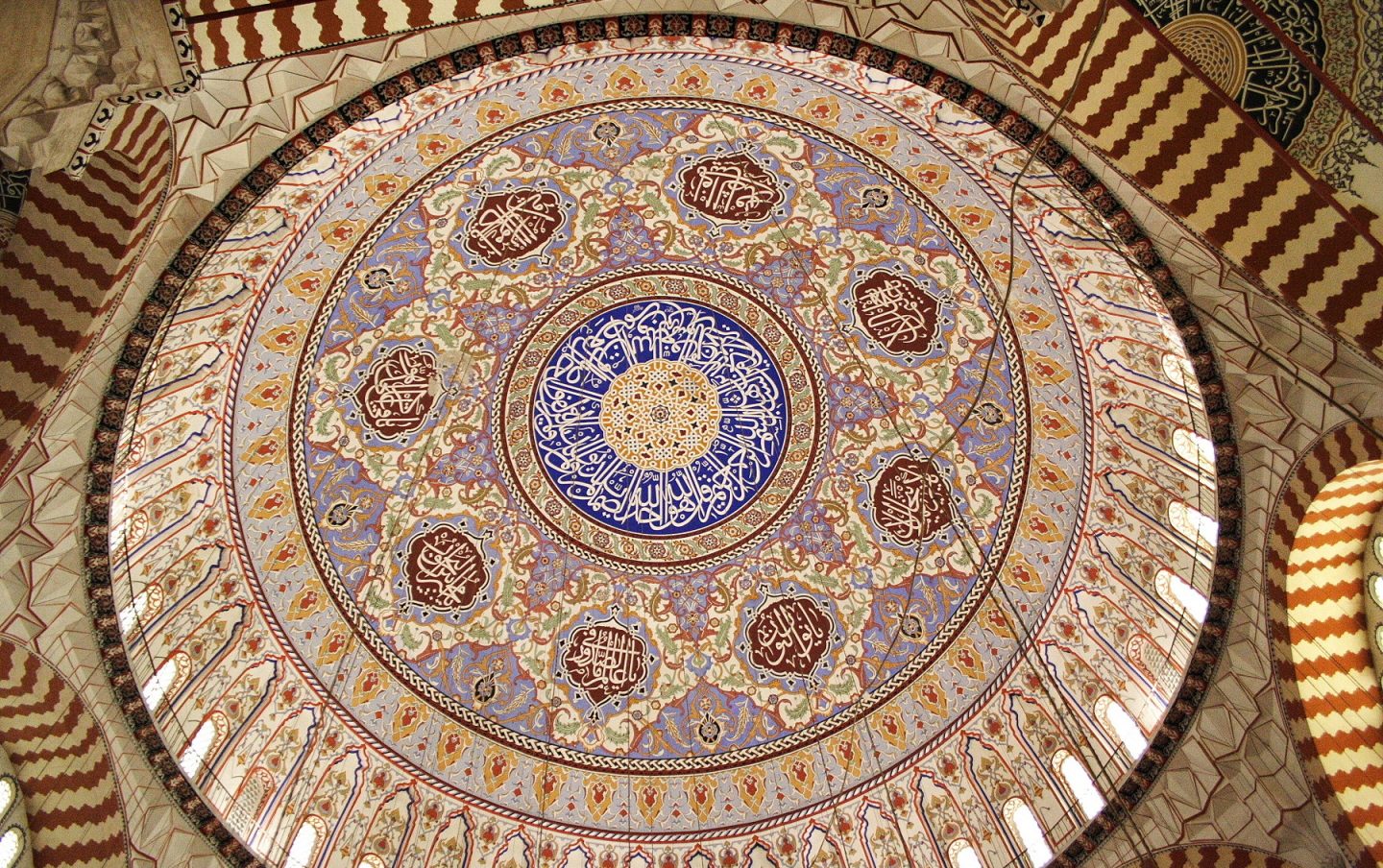
Humans have been attracted to geometric shapes and patterns for thousands of years. Geometry has not only been used for the description of physical reality – from the time of Euclid’s Elements to string theory today – it has also been imbued with a sense of the mystical and the beautiful. Sacred geometry, for example,…

View Post
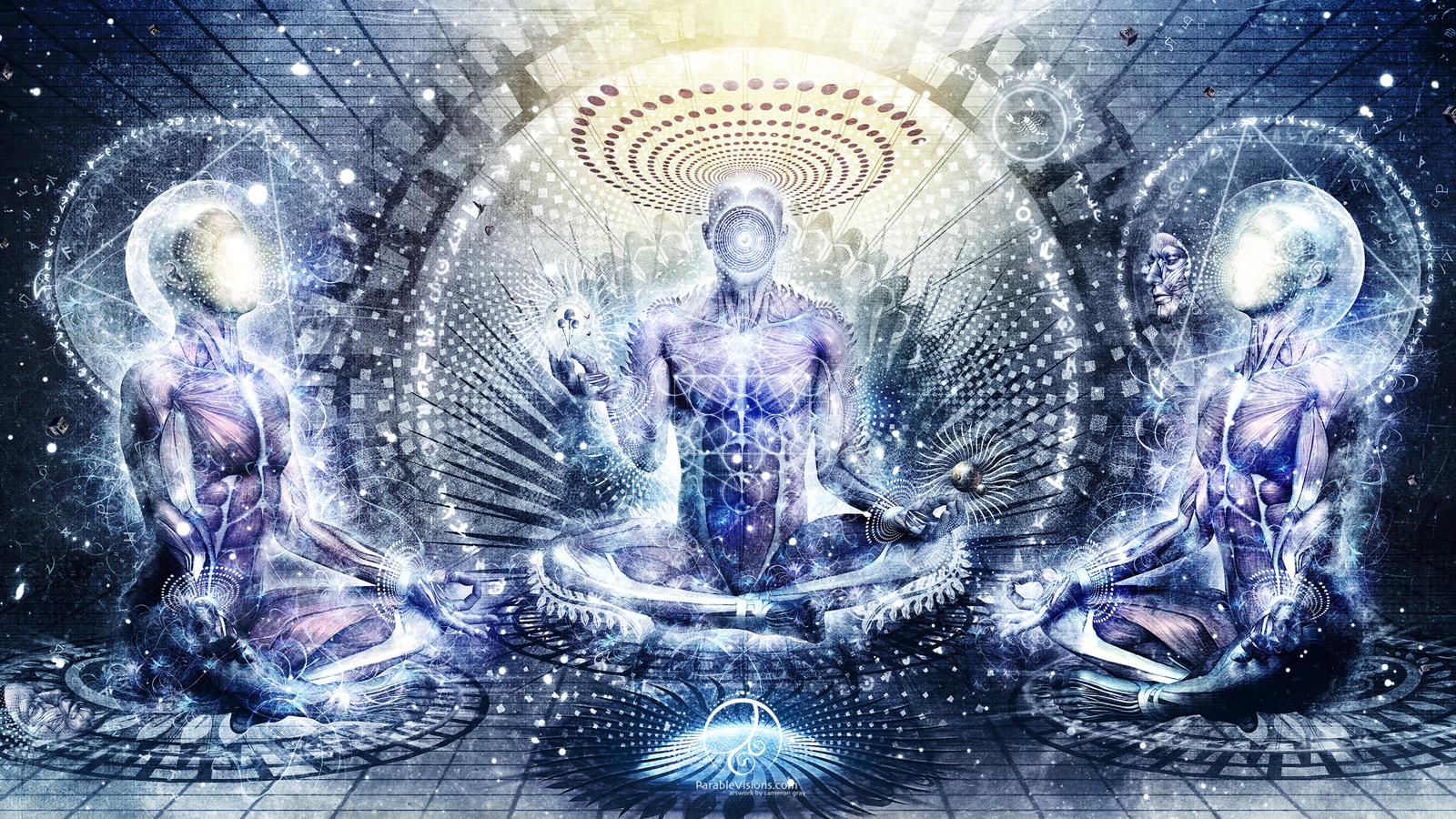
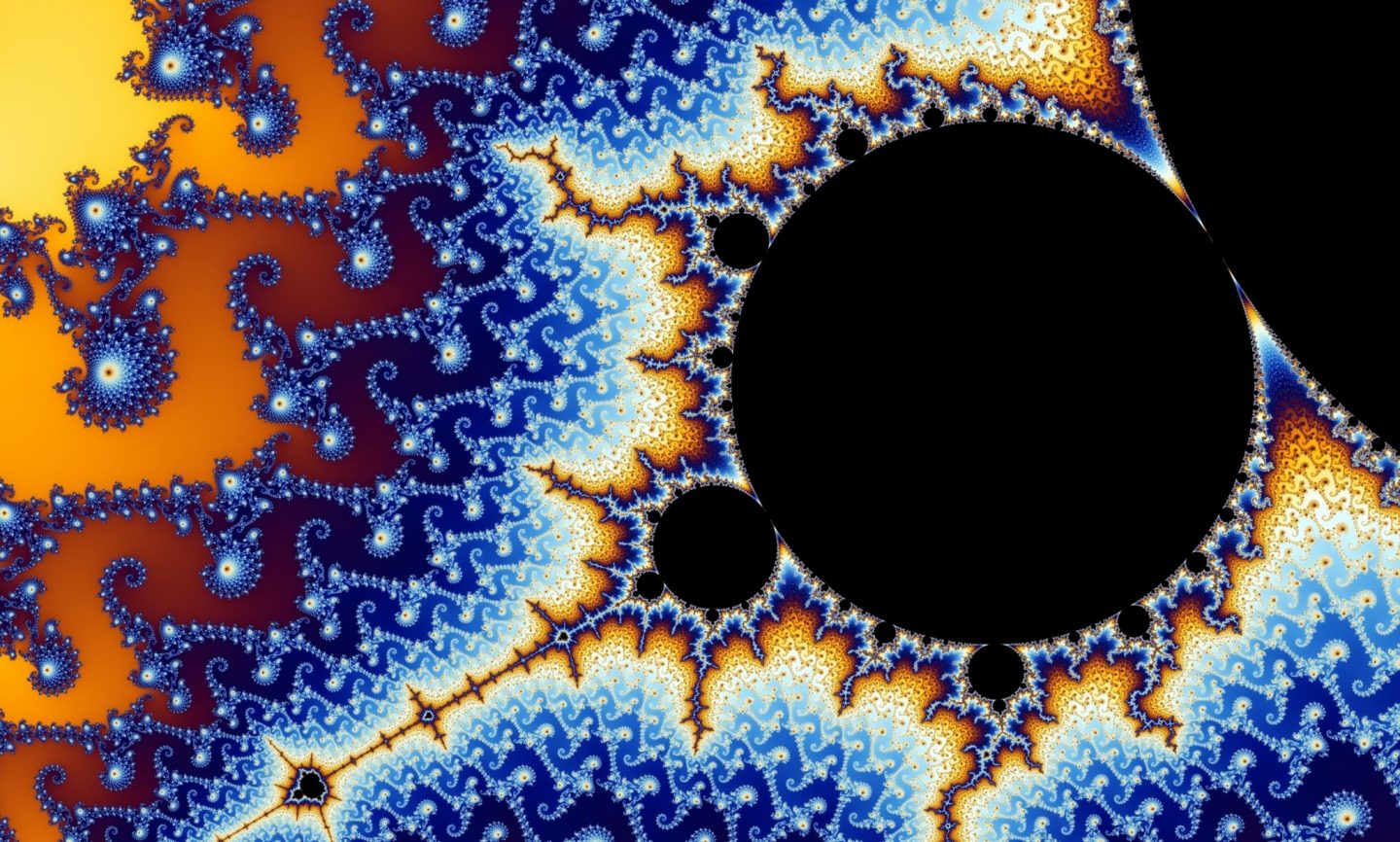
Digital Artist: Cameron Gray

View Post

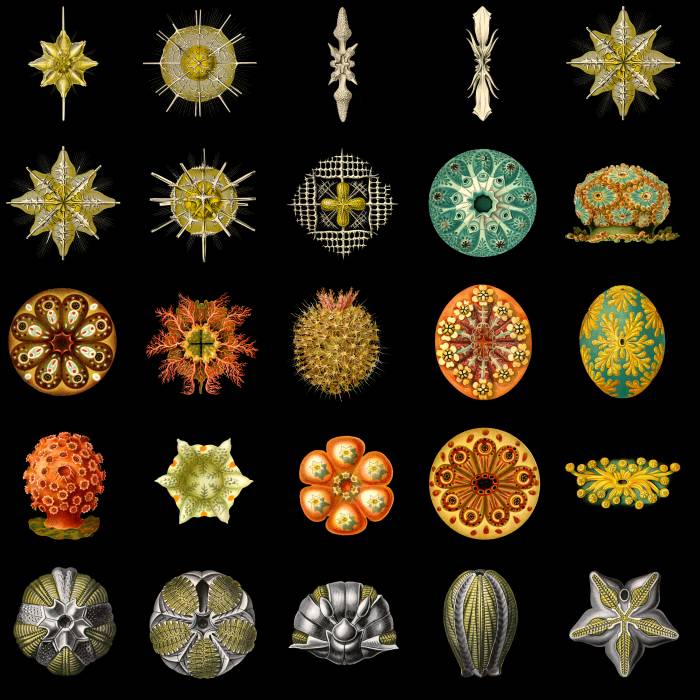
Ernst Haeckel’s ‘Art Forms in Nature’

Ernst Haeckel (1834-1919) was a German biologist, philosopher and artist. He discovered and described thousands of new species, mapped a genealogical tree of all species (a tree which shows how species are related), and coined several biological terms, such as ecology and stem cell. He published his multi-colour illustrations of animals and sea life in…

View Post

How Geometric Hallucinations Are Generated in the Brain

This article is based on a lecture delivered by Professor Jack Cowan at an event entitled ‘A Discussion on Scientific Research with Psychedelic Drugs’ (the conference was chaired by Professor David Nutt at Imperial College London, 12/06/2013). There are many causes of geometric hallucinations, including: Flickering lights (a phenomenon which the scientist Jan Evangelista Purkinje…

View Post

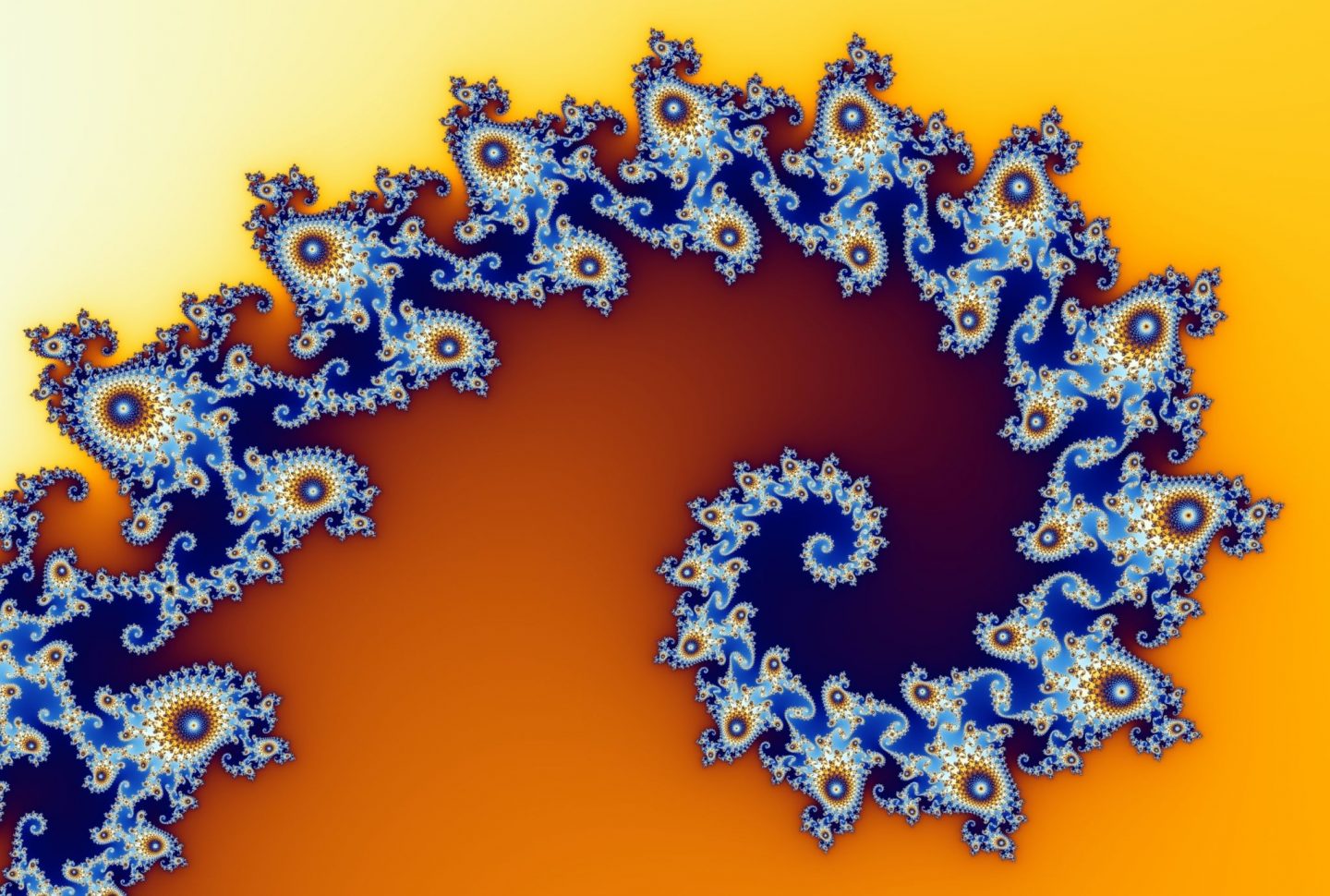
Fractals Are Everywhere

Fractal comes from the Latin word fractus (translated as ‘fractured’) and it refers to any irregular, ‘fractured’ looking shape. The term was coined by Benoit Mandelbrot, the IBM mathematician who first produced computer-generated images of fractals and mathematically interpreted nature in his book The Fractal Geometry of Nature. The most famous computer-generated fractal shape is the Mandelbrot set, related…

View Post