Mythical Entities, DMT, and Jungian Psychology

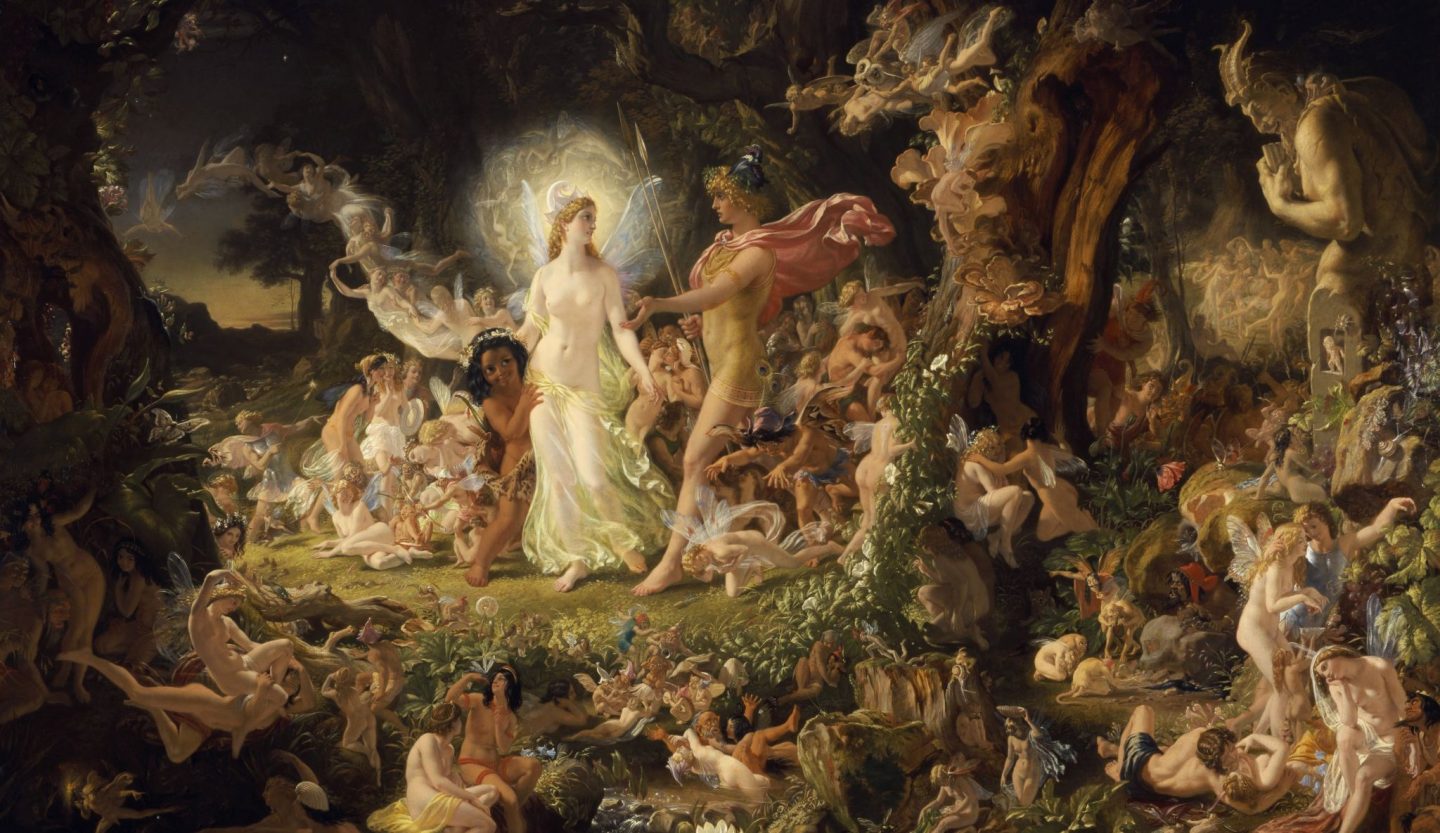
Elves, aliens, imps, pixies, faeries, angels, demons, gods, goddesses, and ‘spirits’. These are all entities that have featured heavily in human culture. The earliest description of elves can be found in Norse mythology, Skaldic poetry, Norse legends and the Poetic Edda, a collection of Old Norse poems. Elves are also common in Germanic and Scandinavian…

View Post

Lab-Grown Meat: Animal Welfare and Animal Rights Perspectives

On Monday the world’s first lab-grown, in vitro burger was cooked and eaten in London. Professor Mark Post from Maastricht University, along with his colleagues, took adult stem cells from a cow and then turned them into strips of muscle, which they combined to make a beef patty. Some have dubbed the patty, the ‘Frankenburger’.…

View Post

Psychiatrist Allen J. Frances Says Normal Behaviour is Being Diagnosed as Mental Illness

Allen J. Frances is an American psychiatrist who has become famous for his critique of the DSM-5, the fifth edition of the Diagnostic and Statistical Manual Mental Disorders. He was also the former chair of the task force that published the DSM-IV, the fourth edition of the DSM. The DSM is published by the American…

View Post

Julian Jaynes’s Theory of the Bicameral Mind

Julian Jaynes (1920 – 1997) was an American psychologist and is best known for his 1976 book, The Origin of Consciousness in the Breakdown of the Bicameral Mind. ‘Bicameral’ means having two chambers. The theory of the bicameral mind says that the two hemispheres of our ancestors’ brains – the left and right – carried…

View Post

Sovereignty Over One’s Mind and Body: The Most Fundamental Human Right

Having control of one’s body and one’s mind – also called self-ownership – is, I believe, the most basic human right anyone can have. Mill summed up it nicely in On Liberty: “Over one’s mind and over one’s body the individual is sovereign” – although he did (rightly so) allow for exceptions involving actions which…

View Post