Warning Labels for Cigarettes, Alcohol, and Junk Food: Is There Any Point?
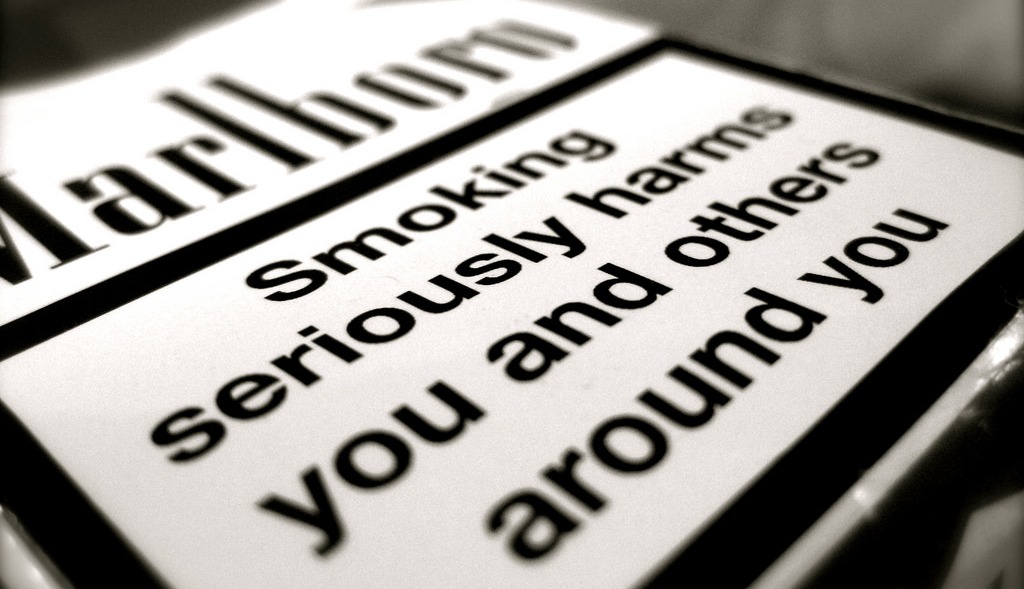
John Stuart Mill in On Liberty argued that individuals should have the personal liberty to harm themselves, so long as their actions did not harm others. He was all for the free availability of harmful substances, such as alcohol and other drugs, but urged for the “labelling the drug with some word of expressive of…

View Post
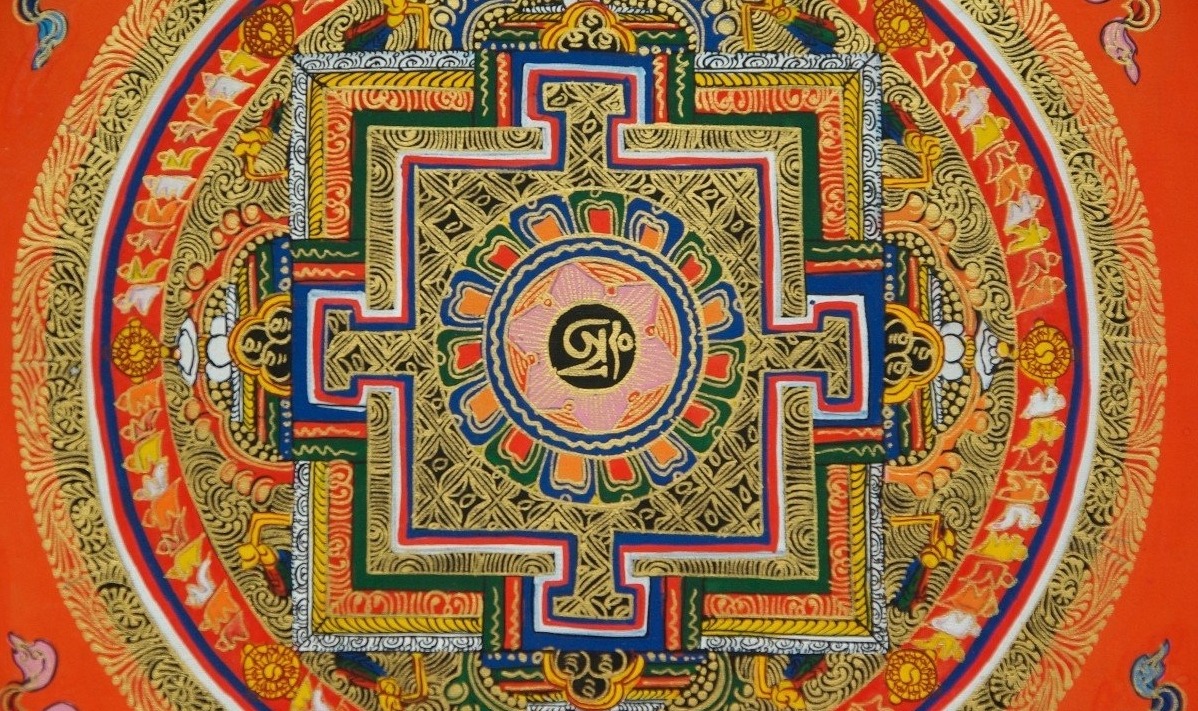
Ancient Motifs in Psychedelic Experiences

People commonly report a distinct cultural theme to the visual aspect of their psychedelic experience. Based on the patterns and images seen (either with eyes open or closed), people may compare them to the art and style of many ancient cultures: Egyptian, Aztec, Indian, Native American, African and Islamic. Particular ancient cultural motifs may also…

View Post

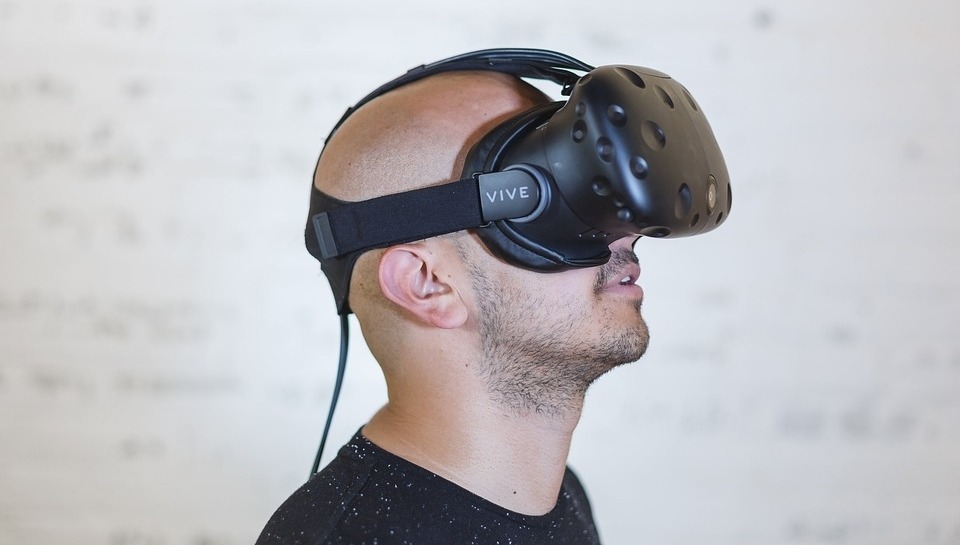
The Implications of Fully Immersive Virtual Reality

The whole concept of virtual reality – especially full immersion in a virtual, artificial world – has been a favourite topic of many science fiction writers. The idea has also featured in many speculative and philosophical questions, such as: What is reality? How do we distinguish reality from illusion? And so on. Loosely defined, virtual…

View Post

Do We Have Moral Obligations to the Dead?

For some, the question of whether we have moral obligations to the dead seems easy. How can we have duties towards people who do not exist? However, the debate is a bit more nuanced and complex than that. For example, some ethicists argue that we have moral obligations towards future generations, even though, like the…

View Post

Gift Economy: Living Without Money

A gift economy is a model of exchange where valuables or some commodity is given away without an agreement for an immediate or future reward. Every transaction involves either giving or receiving gifts and presents. In a gift economy, there is no money and there is no private property. At first sight, a gift economy seems…

View Post