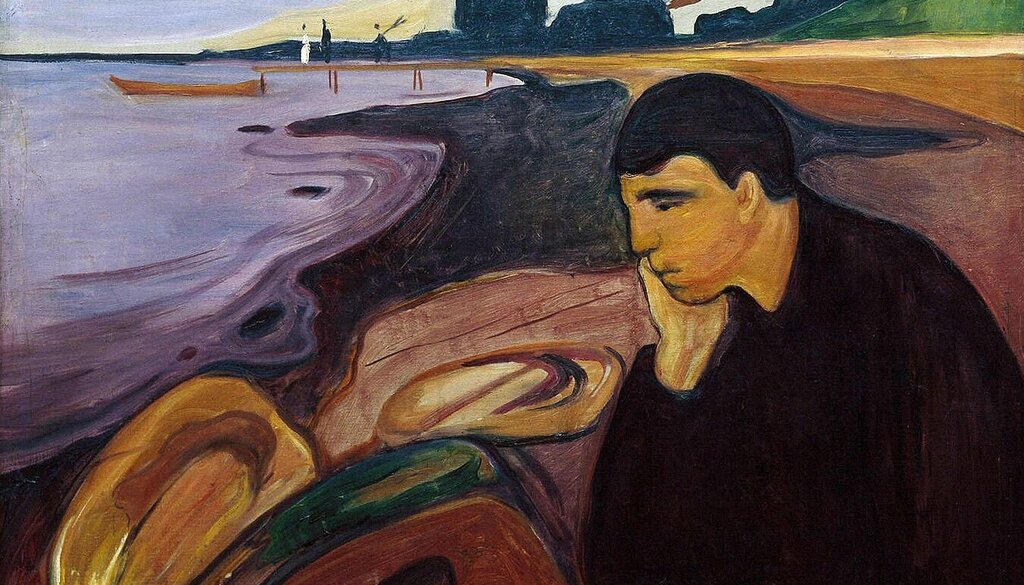
Arterscham: The Phenomenon of Species Shame
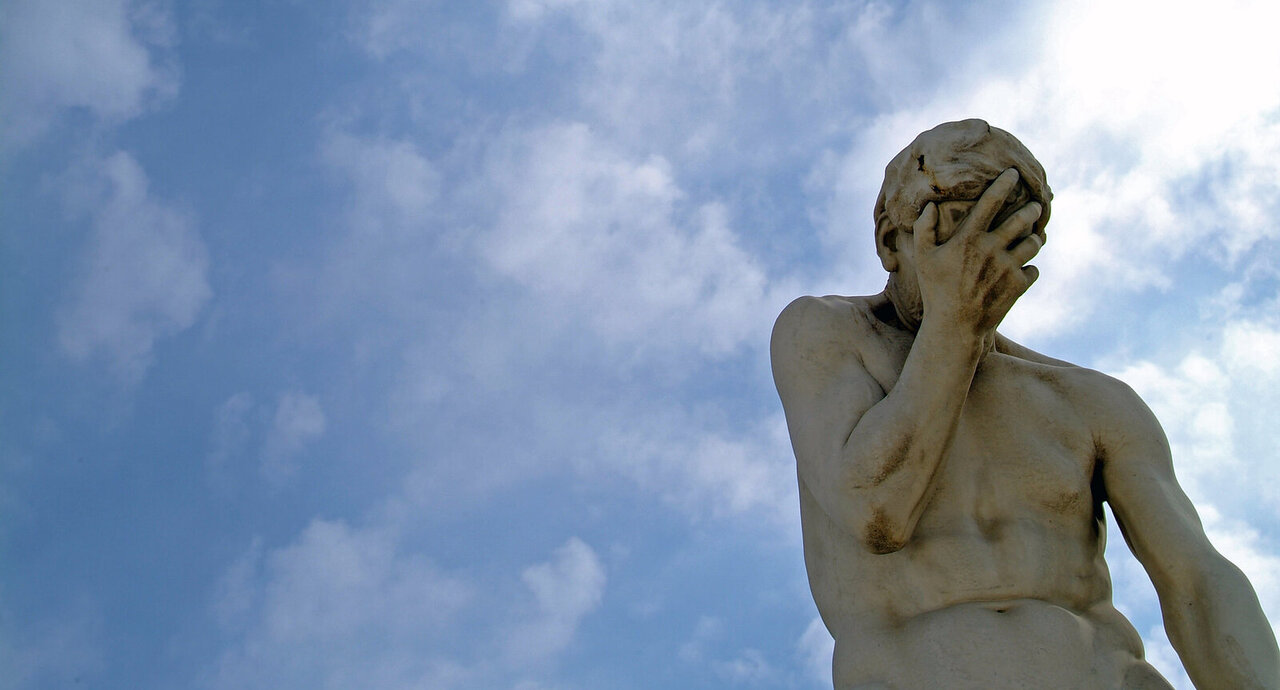
Shame and embarrassment have long been considered uniquely human emotions since, as psychologist Marc D. Hauser has argued, these feelings “depend critically on a sense of self and others”, giving us “a moral sense that no animal is likely to attain.” Without self-awareness, in other words, there can be no shame. However, biologist Marc Bekoff…

View Post
Psychedelic Drug Laws and the Right to Cognitive Liberty

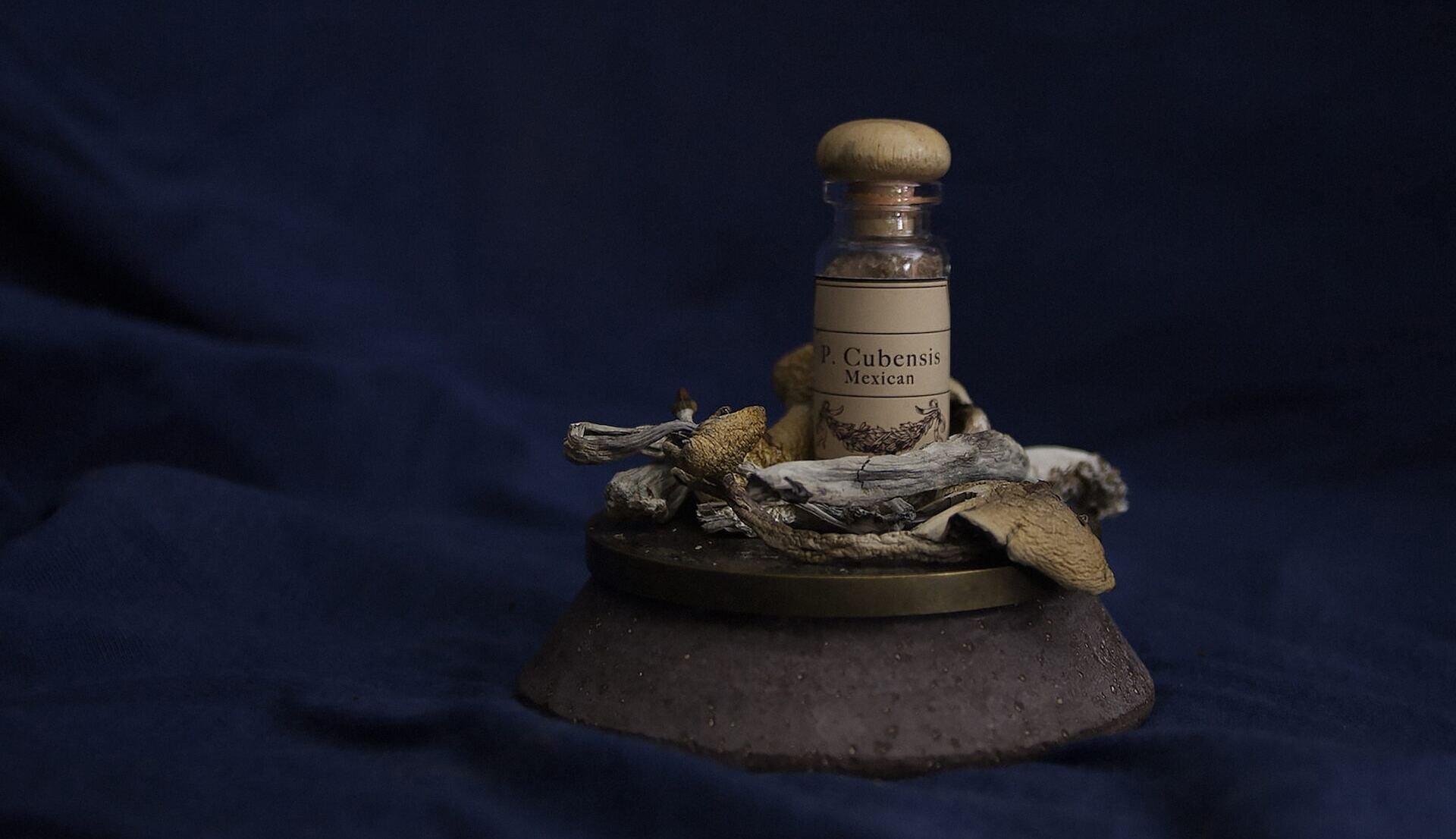
Cognitive liberty refers to the right or freedom of an individual to determine their own mental processes, cognition, and consciousness. Champions of this right argue that is an extension of, and really the fundamental basis of, the right to freedom of thought. Sovereignty over our minds and bodies is a basic freedom that all individuals…

View Post

From Self-Cringe to Self-Insight

Cringing at ourselves, while painful, can lead to greater awareness of our personal identity. First, one of the most common forms of self-cringe is cringing at our past selves, which reminds me of this meme (our brains are incredibly adept at recording cringe memories in crisp detail, whereas positive memories are a bit more blurry).…

View Post

The Unmet Needs That Make Us Human

I was walking with a friend recently and we got talking about insomnia, about how strange it is that you can’t fall asleep when you’re meant to, which is one of the most basic functions of an animal. And yet so many of us (myself included) struggle to fall asleep, and if we could just…

View Post

Towards a Definition of Naturalistic Spirituality

Over the last 50 years in the UK, the proportion of the population identifying as non-religious – often referred to as ‘Nones’ – has been on the rise. The British Social Attitudes Survey from 2019 found that over half (52%) of the UK population regard themselves as belonging to no religion. Hannah Waite, from the think…

View Post