Do We Have Moral Obligations to the Dead?

For some, the question of whether we have moral obligations to the dead seems easy. How can we have duties towards people who do not exist? However, the debate is a bit more nuanced and complex than that. For example, some ethicists argue that we have moral obligations towards future generations, even though, like the…

View Post

Why Did Humour and Laughter Evolve?

People will have different opinions about what is funny and what isn’t; what makes them laugh and what doesn’t. But we do know that humour and laughter exist, so the mysterious question surrounding this fact is: how did they evolve? Is there really some evolutionary advantage to finding ‘humour’ (however you define it) in social…

View Post

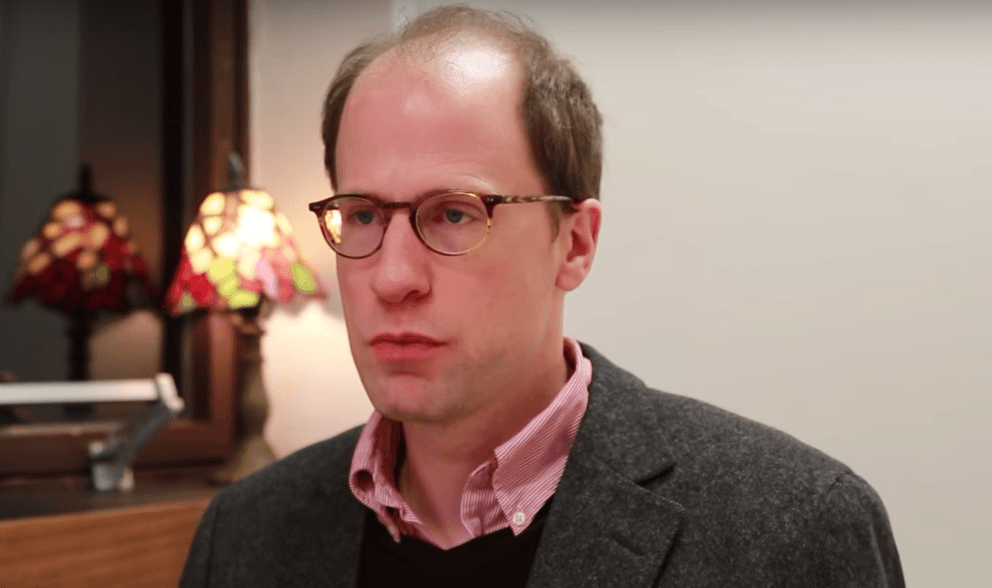
Nick Bostrom on ‘Existential Risks’

Nick Bostrom is a Swedish philosopher who teaches at the University of Oxford. His areas of interest include the Simulation Hypothesis (that reality is a computer simulation run by a hyper-advanced ‘post-human’ civilisation) and the ethics of human enhancement (the ethical issues surrounding improving human capacities through science and technology). He is a proponent of…

View Post

Sovereignty Over One’s Mind and Body: The Most Fundamental Human Right

Having control of one’s body and one’s mind – also called self-ownership – is, I believe, the most basic human right anyone can have. Mill summed up it nicely in On Liberty: “Over one’s mind and over one’s body the individual is sovereign” – although he did (rightly so) allow for exceptions involving actions which…

View Post

Lucid Dreaming: Waking Up in the Dream World

Lucid dreaming is the practice of being aware that you are dreaming. People want to lucid dream in order to gain greater control over the dream space. There is also some evidence that lucid dreaming can have various mental health benefits. Lucid dreaming was not scientifically investigated until 1978; however, the first documentation of lucid…

View Post