The Paradox of Asemic Writing

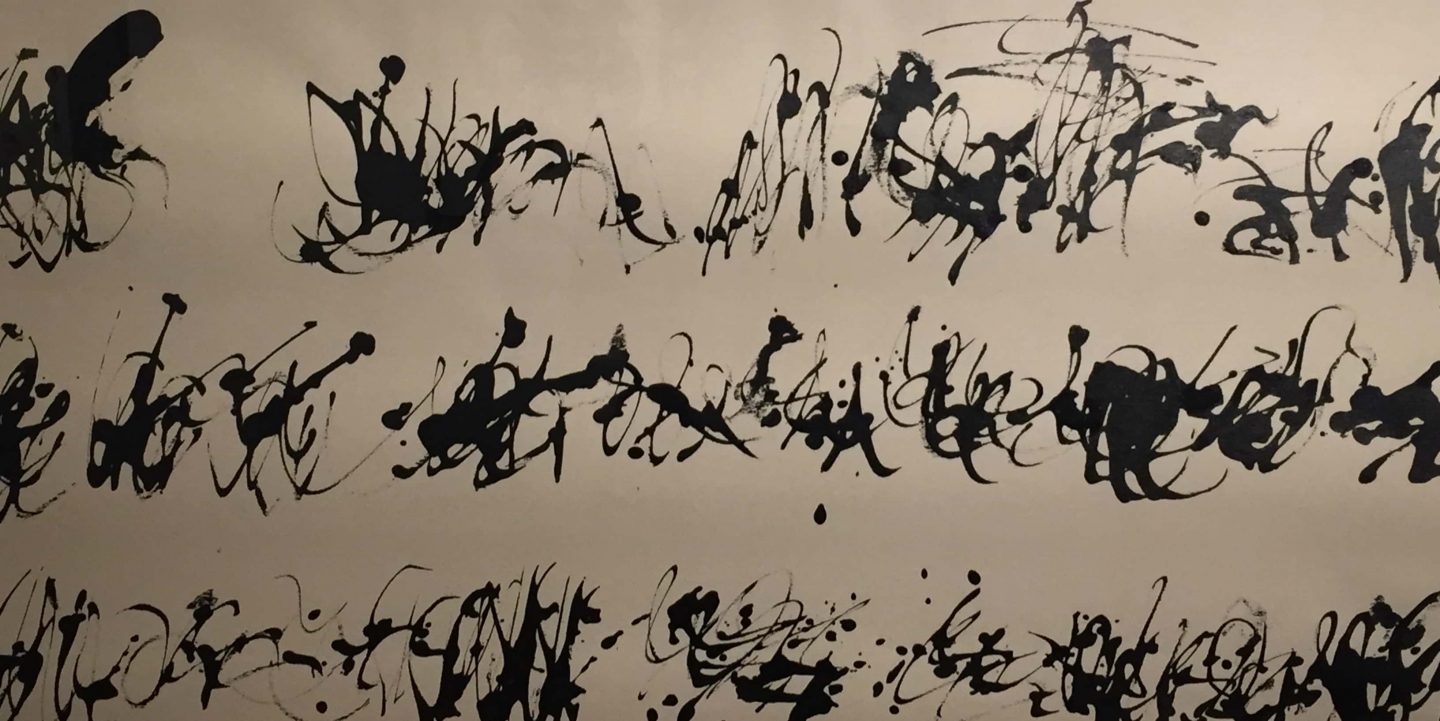
In my first post on asemic writing, I ended by pointing to the paradoxical nature of this art form: the marks involved are at once meaningless (since they have no semantic meaning) and meaningful (since, as an art form, there can be meaning behind their creation – the intention, emotion, or state of mind expressed…

View Post
The Mistake of Viewing Psychedelics as a Panacea for Mental Distress

As much as psychedelics hold great promise in alleviating all kinds of psychological distress, they are not a mental health panacea, which they are sometimes touted to be. Based on positive media stories surrounding psychedelic research and anecdotal reports of people being forever cured of chronic, severe mental illnesses, it’s easy to get the impression…

View Post

Julius Bahnsen’s Radical Pessimism

Julius Bahnsen (1830 – 1881) was a German philosopher and disciple of Arthur Schopenhauer. The historian Frederick C. Beiser, in his book Weltschmerz: Pessimism in German Philosophy, 1860–1900, describes Bahnsen’s philosophical views, along with other key German pessimistic philosophers and followers of Schopenhauer, such as Julius Frauenstädt, Eduard von Hartmann, and Philipp Mainländer.  Weltschmerz is…

View Post

Pseudographia: Automatic Asemic Writing

Pseudographia is the term I use to refer to either the practice of automatic asemic writing, that is, wordless, artistic writing created in an unconscious way, or the unconscious drive to engage in such writing. I have recently been revisiting the work of the Belgian poet and artist Henri Michaux, as I feel his asemic…

View Post

Part Human, Part Animal: What Therianthropes and Tricksters Reveal About Human Nature

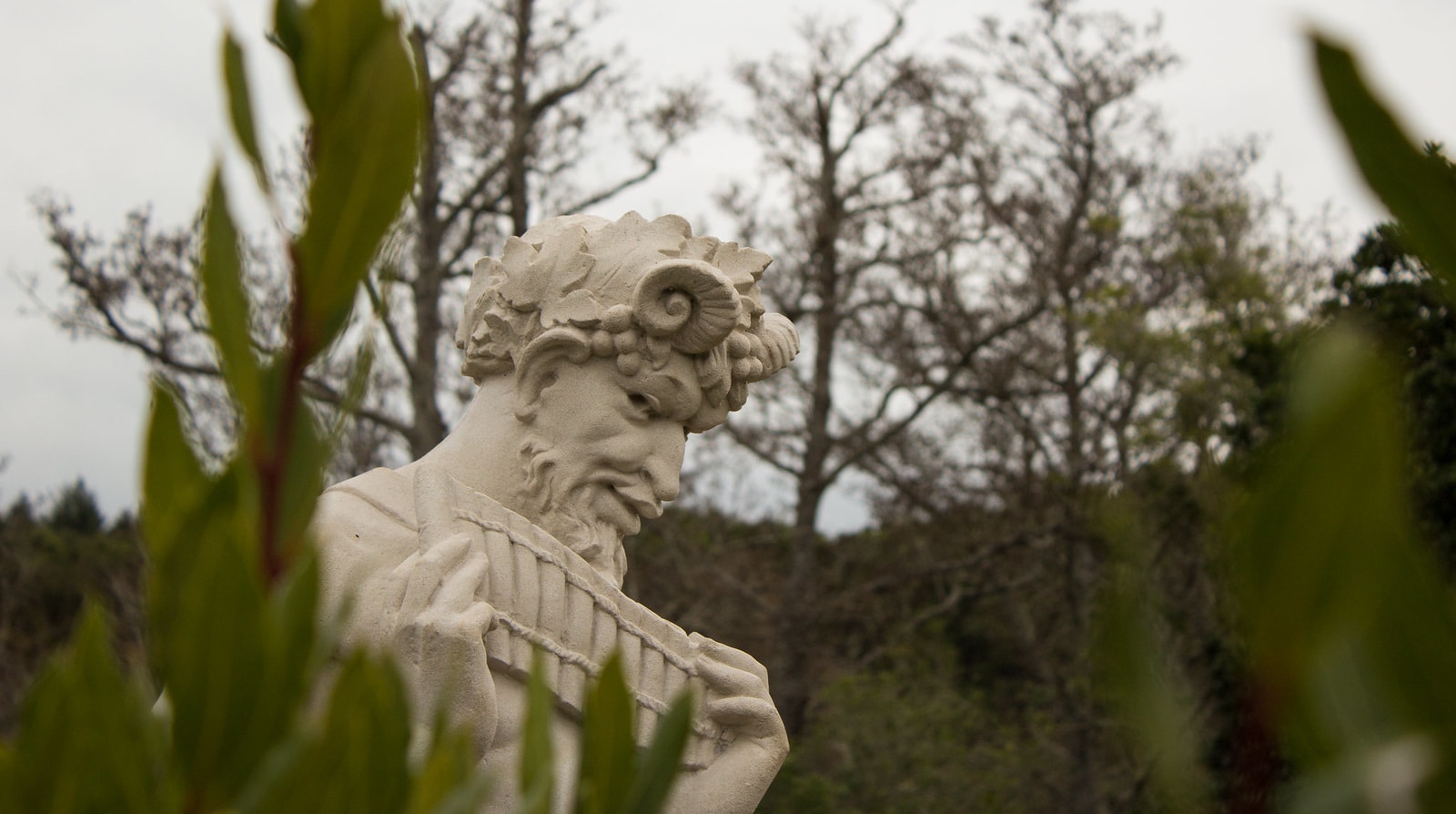
A therianthrope is a mythical being that is part human, part animal, with some examples including the centaur, faun, satyr, werewolf, weredog, werecat, mermaid, siren, and minotaur. In furry fandom slang, the term therianthrope term also refers to someone who feels or believes she is partly or wholly a non-human animal, but for the purposes…

View Post