Sovereignty Over One’s Mind and Body: The Most Fundamental Human Right
Having control of one’s body and one’s mind – also called self-ownership – is, I believe, the most basic human right anyone can have. Mill summed up it nicely in On Liberty: “Over one’s mind and over one’s body the individual is sovereign” – although he did (rightly so) allow for exceptions involving actions which…

View Post
Should Prostitution Be Legalised?

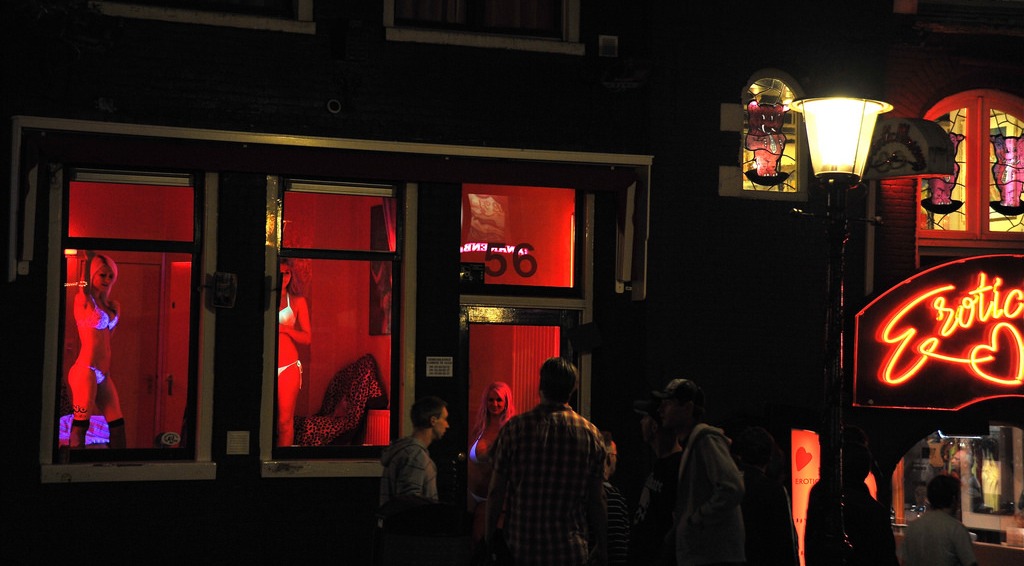
The amendments made to the Policing and Crime Act (2009) mean that all forms of public solicitation (‘kerb-crawling’ or being in public, looking to sell or pay for sex) are illegal. According to the present law, one prostitute may work from indoor premises, but no more; otherwise the place is considered a brothel. The law…

View Post

The Effects of the Internet on the Brain

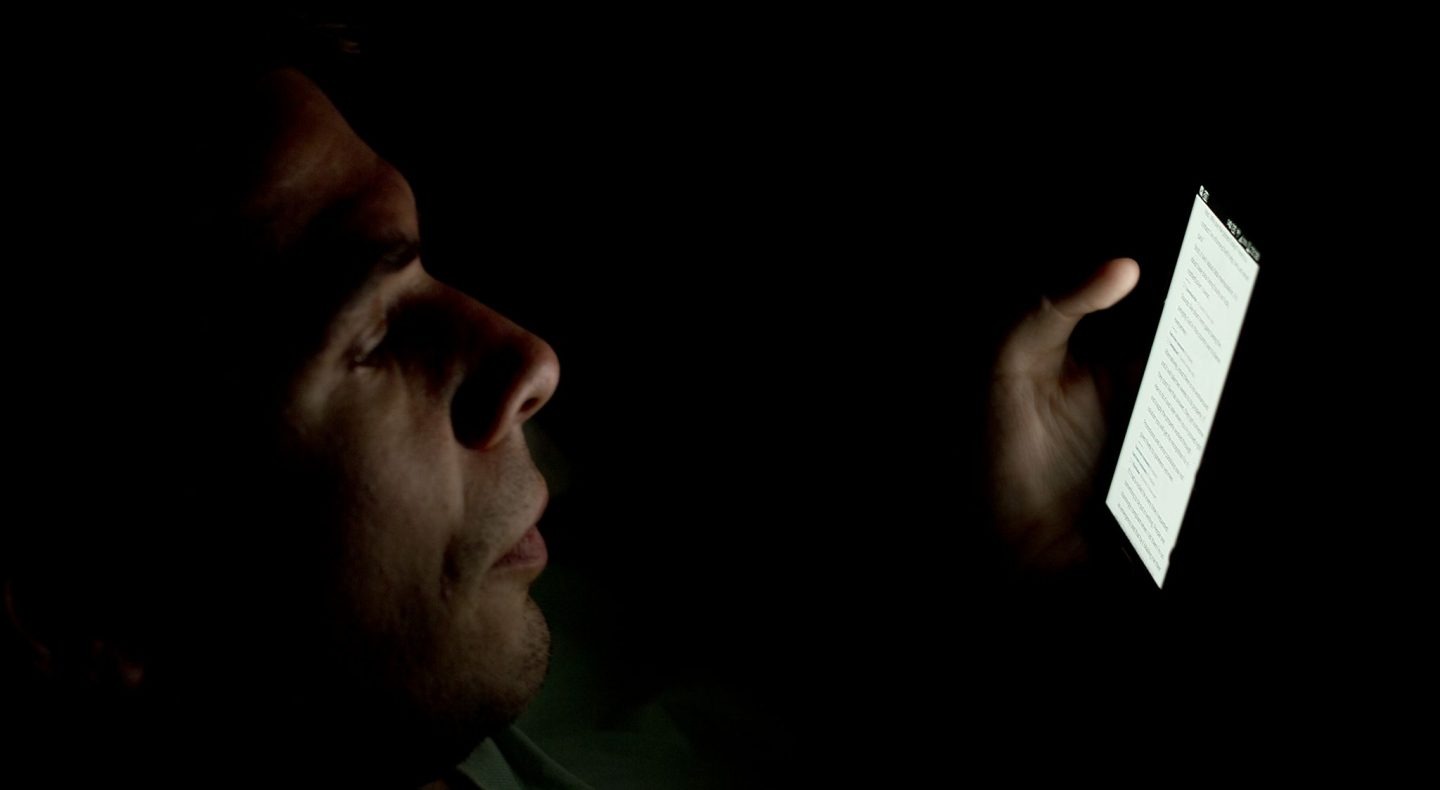
From my own personal experience, I find it more difficult to concentrate on something which requires sustained attention – when reading a book, for example – than I used to in the past. I believe that this diminishing ability to concentrate is a result of the internet; more specifically, the way in which I (and…

View Post

The Peyote-Inspired Art of the Huichol People

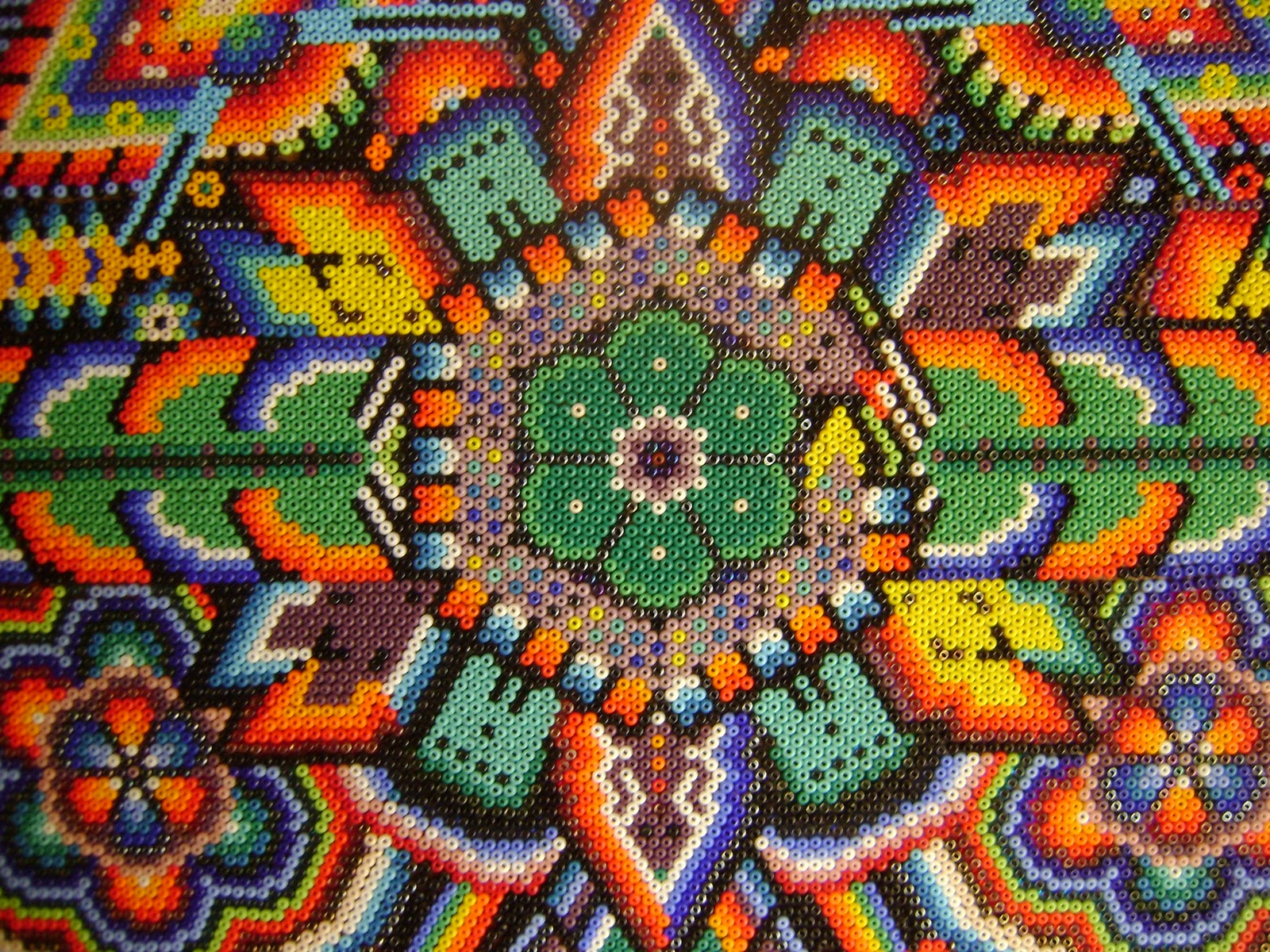
Peyote is a cactus which contains mescaline, one of the classic psychedelic chemicals. Native North Americans have been using peyote for religious purposes for around 5,000 years. It is native to southwestern Texas and Mexico. Peyote art, art that is influenced by the visions from the peyote experience, is abundant in the Huichol culture of…

View Post

The Problem With Rupert Sheldrake’s Worldview

Rupert Sheldrake is an English author and parapsychologist (someone who studies paranormal phenomena, such as telepathy, precognition, psychokinesis and other forms of ESP). In recent times he gained notoriety for having his TED talk banned, a talk that questioned, what Sheldrake believed to be, the ten dogmatic assumptions of modern science. He is credited with…

View Post