Mythical Entities, DMT, and Jungian Psychology
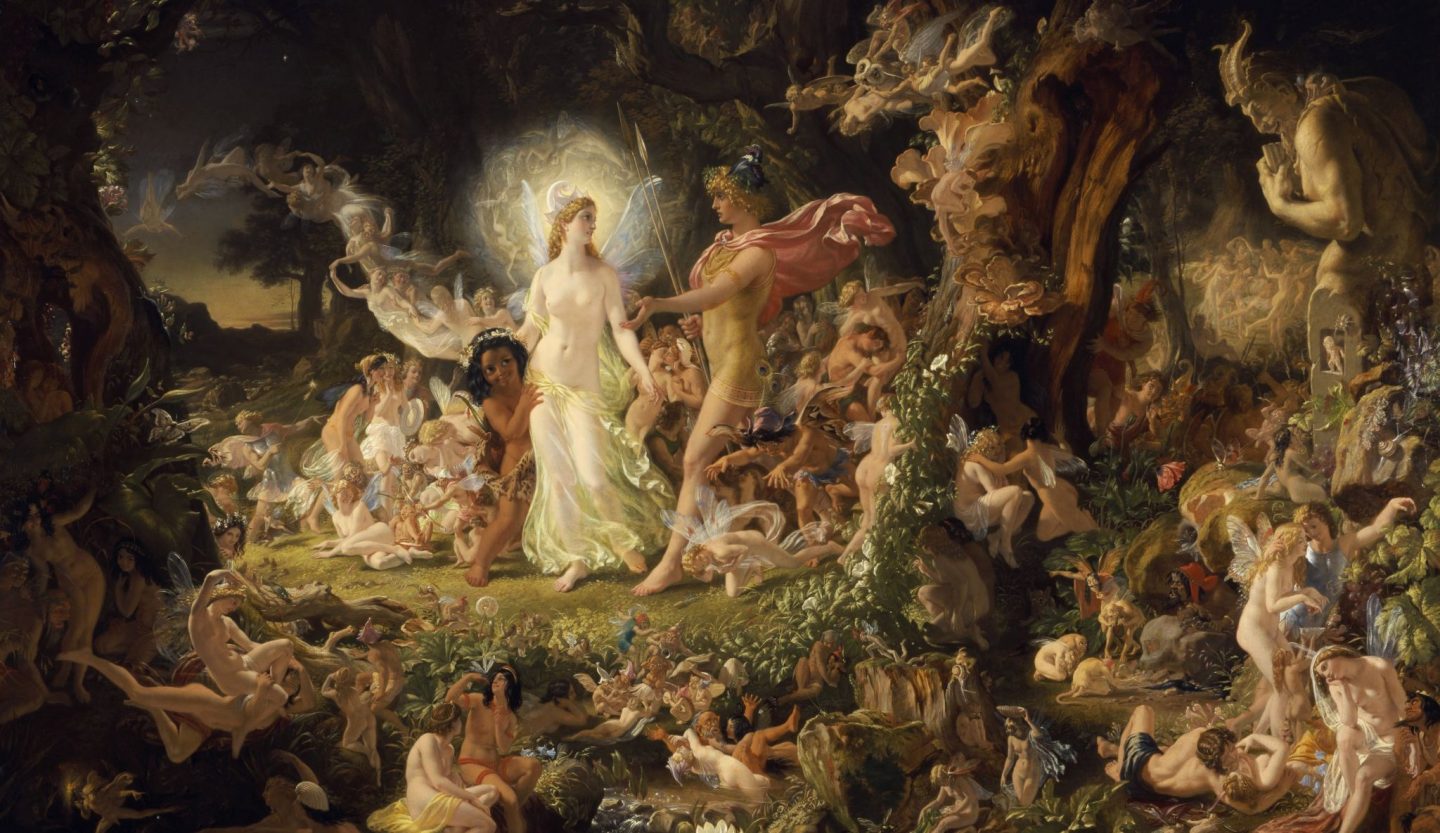
Elves, aliens, imps, pixies, faeries, angels, demons, gods, goddesses, and ‘spirits’. These are all entities that have featured heavily in human culture. The earliest description of elves can be found in Norse mythology, Skaldic poetry, Norse legends and the Poetic Edda, a collection of Old Norse poems. Elves are also common in Germanic and Scandinavian…

View Post
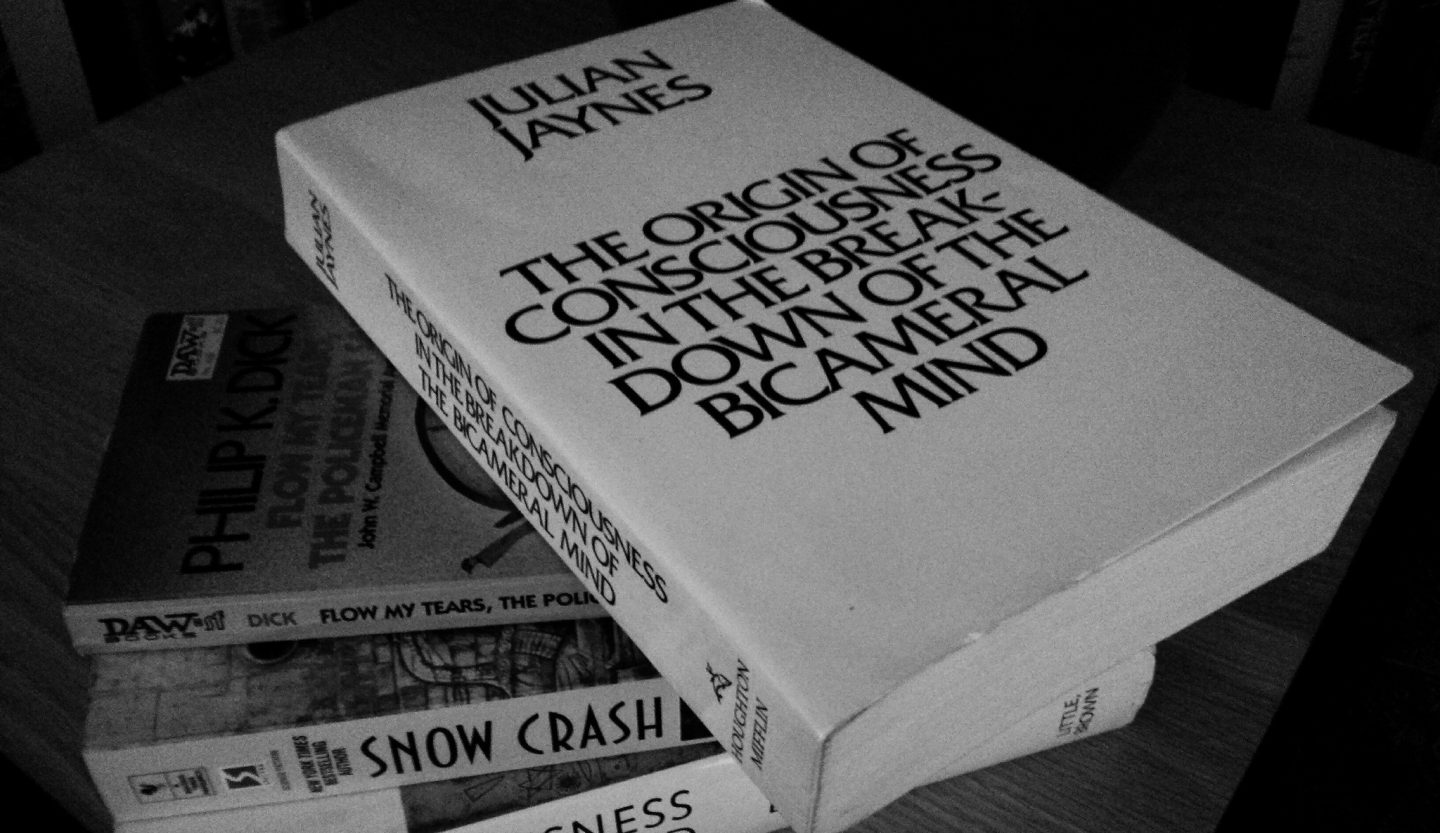
Julian Jaynes’s Theory of the Bicameral Mind

Julian Jaynes (1920 – 1997) was an American psychologist and is best known for his 1976 book, The Origin of Consciousness in the Breakdown of the Bicameral Mind. ‘Bicameral’ means having two chambers. The theory of the bicameral mind says that the two hemispheres of our ancestors’ brains – the left and right – carried…

View Post

The Problem With Rupert Sheldrake’s Worldview

Rupert Sheldrake is an English author and parapsychologist (someone who studies paranormal phenomena, such as telepathy, precognition, psychokinesis and other forms of ESP). In recent times he gained notoriety for having his TED talk banned, a talk that questioned, what Sheldrake believed to be, the ten dogmatic assumptions of modern science. He is credited with…

View Post

Lucid Dreaming: Waking Up in the Dream World

Lucid dreaming is the practice of being aware that you are dreaming. People want to lucid dream in order to gain greater control over the dream space. There is also some evidence that lucid dreaming can have various mental health benefits. Lucid dreaming was not scientifically investigated until 1978; however, the first documentation of lucid…

View Post

How Ketamine Can Be Used to Treat Mental Illness

Ketamine is a dissociative drug, meaning that it produces feelings of dissociation – dissociation from one’s environment and even dissociation from one’s own body. The drug is used in human and veterinary medicine, both as an anaesthetic (to knock the patient out) and as an analgesic (to numb any feelings of pain). Ketamine is also…

View Post