The Egocentrism Behind Belief in Astrology

Astrology is one of the most popular New Age beliefs and is commonly embraced by the general public (national newspapers still feature daily horoscopes, and publicising your zodiac signs is often an option on dating apps). Its popularity persists, despite the fact that there is no scientific evidence to support the idea that astronomical phenomena…

View Post

The Psychology of New Age Spirituality

Why do some people get really into New Age practices and beliefs? Explanations can range from charitable and optimistic ones (e.g. people finding pathways to truth and wellness) to less charitable and cynical ones (e.g. some people are not scientifically literate, or they’re prone to cling to wellness trends to feel more ‘spiritual’). In answering…

View Post

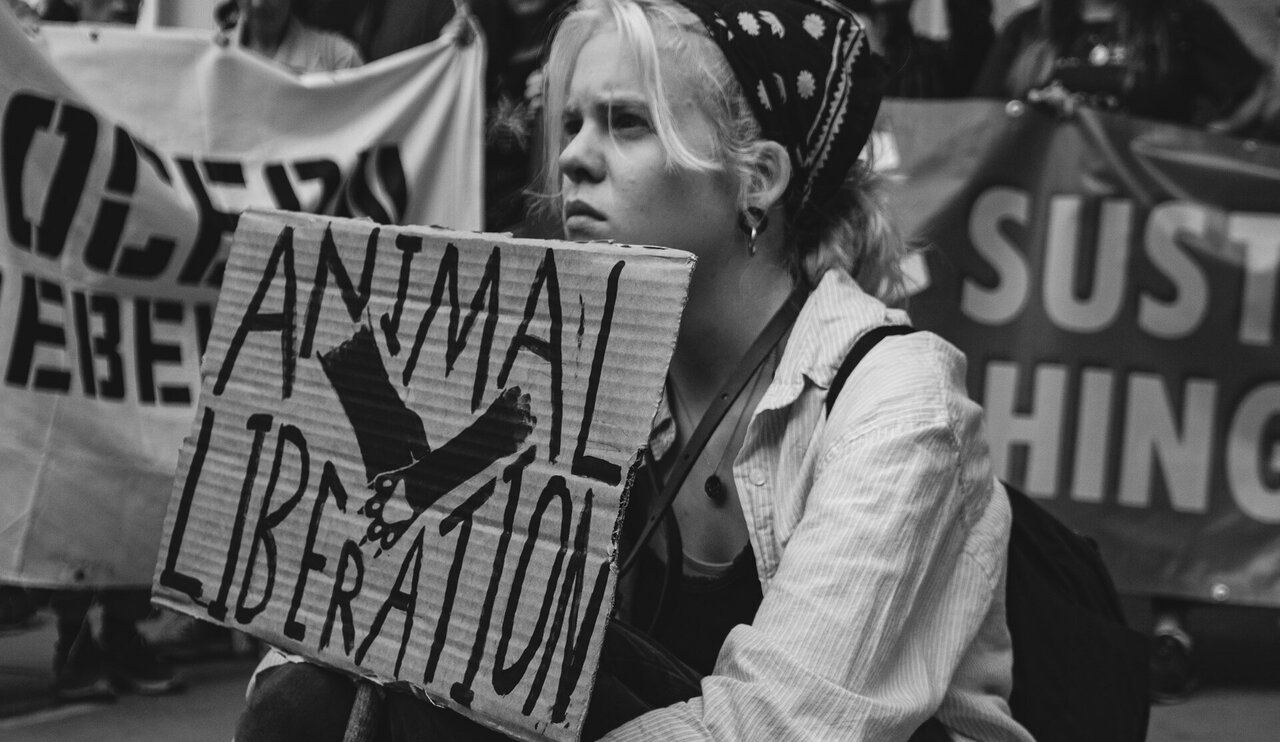
High Sensitivity and the Willingness to Switch to Veganism

When we consider the factors that explain why some people become vegan but not others, or why some find it easier to make the switch than others, one factor that is sometimes overlooked is personality. Vegan activists and campaigners might point to a range of psychological factors that get in the way of people adopting…

View Post

Being Irritated by Others Isn’t Always a Form of Projection

The Swiss psychologist Carl Jung, and the novelist Hermann Hesse (who was inspired by Jung), located the source of irritation with others within ourselves. They argued that when we become irritated by others, this can lead to self-understanding, namely, that the specific trait or behaviour that gets under our nerves exists within us. I have…

View Post

From Self-Cringe to Self-Insight

Cringing at ourselves, while painful, can lead to greater awareness of our personal identity. First, one of the most common forms of self-cringe is cringing at our past selves, which reminds me of this meme (our brains are incredibly adept at recording cringe memories in crisp detail, whereas positive memories are a bit more blurry).…

View Post