The Dangers of Cynicism (and Why Scepticism is the Better Outlook)

We would all like to think that when we do something with good intentions and act on those intentions, we are behaving as purely morally upright people. We may believe that we can easily discern when we (or others) act altruistically and when the opposite is true. However, our conflicted and flawed nature means this…

View Post
Do We Have Moral Obligations to the Dead?

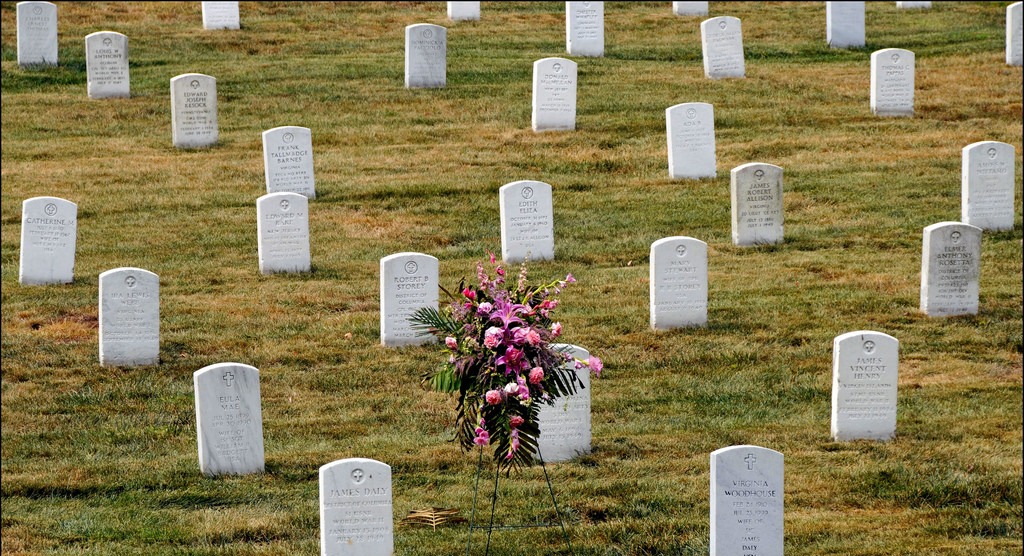
For some, the question of whether we have moral obligations to the dead seems easy. How can we have duties towards people who do not exist? However, the debate is a bit more nuanced and complex than that. For example, some ethicists argue that we have moral obligations towards future generations, even though, like the…

View Post

Organ and Body Donation Should Be Encouraged, Not Made Compulsory

Donating your organs for transplantation, or donating your body to medical science, is a very charitable act. I myself do not believe that I will need my body or any of my body parts after I am dead (since I will not exist). I’m a registered organ donor for this reason and plan to donate…

View Post

Atheists Can Learn Some Lessons From Religion

Alain de Botton is a British writer, philosopher and TV presenter. He has written a book entitled Religion for Atheists: A Non-believer’s Guide to the Uses of Religion (2012). The main thrust of his argument is that atheists (actually, everyone in fact) can learn some important moral lessons from the world’s religions. He also spoke…

View Post

Animal Ethics in Hinduism, Buddhism, and Jainism

Hinduism is one of the world’s oldest religions. There are many sub-traditions within Hinduism, but there are two beliefs about humans which seem to dominate the religion’s view of animals. The first belief recognises that humans exist on a continuum with the rest of life and that we are not completely separated from other animals. The…

View Post