Diet and the Evolution of the Human Brain

The evolution of the human brain has always been shrouded in mystery. This is because the organ tripled in size over the course of nearly seven million years, a pace of evolution that is unheard of in the natural world. Most of this growth occurred in the past two million years, during which time the…

View Post

The Value of Writing Challenges

If you’re a writer, no matter what type, part of the rewarding nature of the craft lies in the potential to improve and take your writing in novel directions. There are always new skills that you can pick up, new ways you can write, and new lessons to learn. By reading the works of other…

View Post

Nietzsche and Antinatalism: Can You Affirm Life if You Oppose Procreation?

It is fair to say that much of antinatalist thought is underpinned by a rejectionist philosophy, a nay-saying attitude towards life, a pessimism about the state of human life and the world at large. The line between such pessimism and antinatalism seems logical: if you believe existence is – overall – a bad deal, an…

View Post

Asemic Writing: The Drive to Create Imaginary Languages and Alien Alphabets

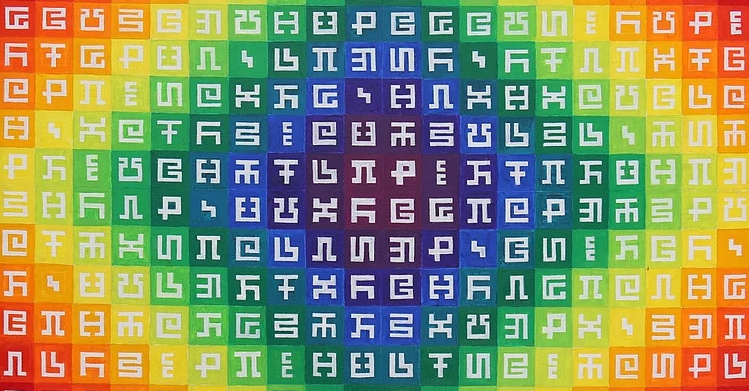
I have long been fascinated by the artistic drive to create imaginary languages. Countless numbers of them exist. And some of them have made their way into public consciousness since they have been integrated into the fictional worlds and universes portrayed in popular books and television shows. These fictional languages include Elvish in the works…

View Post

A Critique of the Biopsychosocial Model in Psychiatry

The biopsychosocial model is one of the main approaches in psychiatry. The psychiatrist George Engel formulated this model in 1977, in a paper titled ‘The Need for a New Medical Model: A Challenge for Biomedicine’, published in the journal Science. He did not, however, propose this new model exclusively for psychiatry (which focuses on the…

View Post