Derrida, Barthes, and the Origins of Asemic Writing

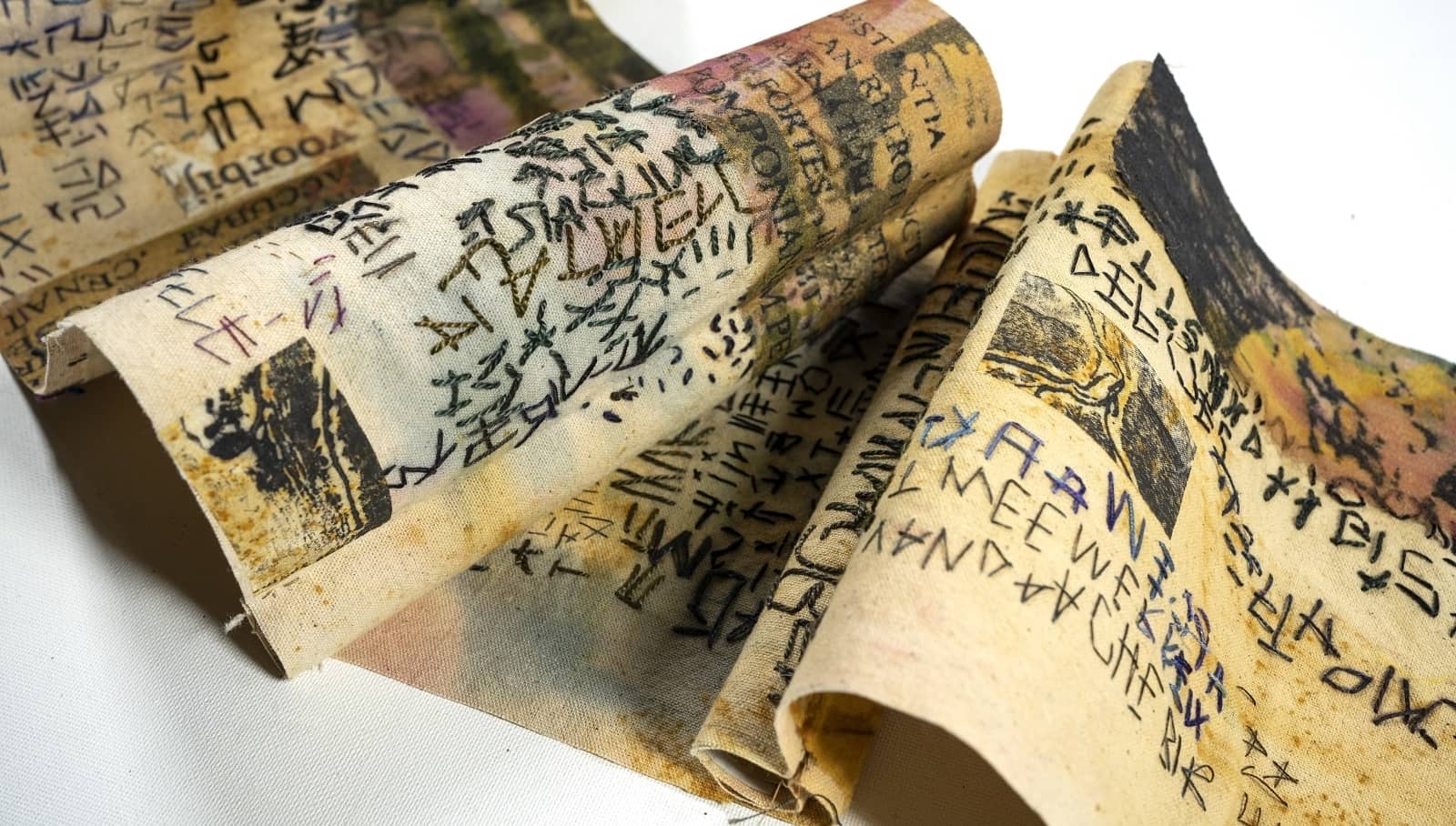
In my first post on asemic writing, I briefly touched on the origins of this art form, noting that the artists Tim Gaze and Jim Leftwich applied the term asemic to their quasi-calligraphic works in 1997. (See my review of Gaze’s latest book, Glyphs of Uncertain Meaning, which also includes some more information about the…

View Post

Meshuggah, Transhumanism, and the Allure of Cults

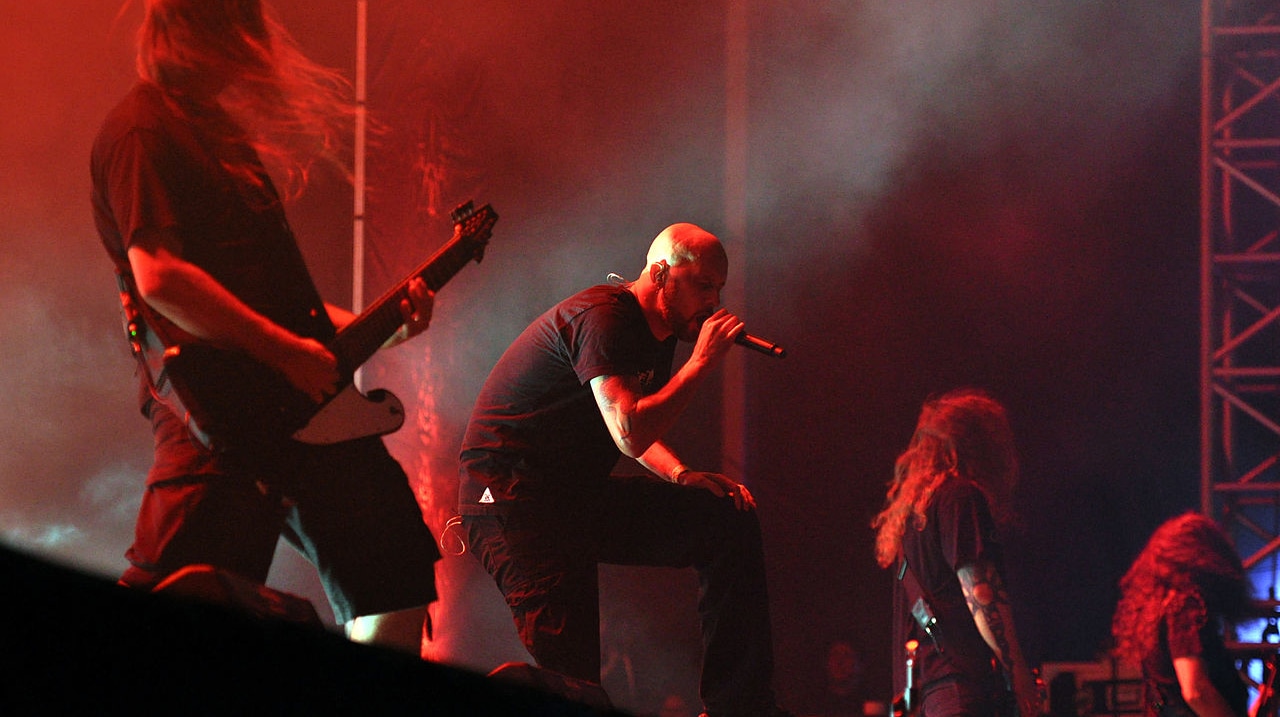
In one of Meshuggah’s most well-known tracks, New Millennium Cyanide Christ, we find an exploration of the themes of transhumanism and cults. Drummer Tomas Haake, who writes the lyrics for the band, said of the track in an interview with Greg Prato: That’s more of a dystopian take on a sectistic or extremist kind of…

View Post

Reconciling Ethics and Aesthetics in Architecture

Christine Murray, editor-in-chief of The Developer, a publication about making cities worth living in, wrote a piece for Dezeen on why architects must “choose ethics over aesthetics”. It is a provocative article, and one of the most thought-provoking points that Murray makes – which I was completely unaware of – is that “construction itself is…

View Post

Book Review: Glyphs of Uncertain Meaning by Tim Gaze

Tim Gaze is an Australian artist residing in the Adelaide Hills. Since the late 90s, he has been an active poet, writer, publisher, and performer. He is also notable as an artist specialising in asemic writing (expressive mark-making that has the appearance of a language). In 1997, Gaze, along with fellow artist Jim Leftwich, applied…

View Post

DMT-Inspired Artwork by Harry Pack

Harry Pack is a British artist whose artwork is inspired by experiences with the potent psychedelic DMT. Along with INCEDIGRIS, Pack is unique in his ability to accurately represent the strange realms and beings that one encounters when under the influence of this substance. The distinctly DMT-esque aspects of his work include the clownish, child-like,…

View Post