How Floatation Tanks Can Benefit Your Mental Health
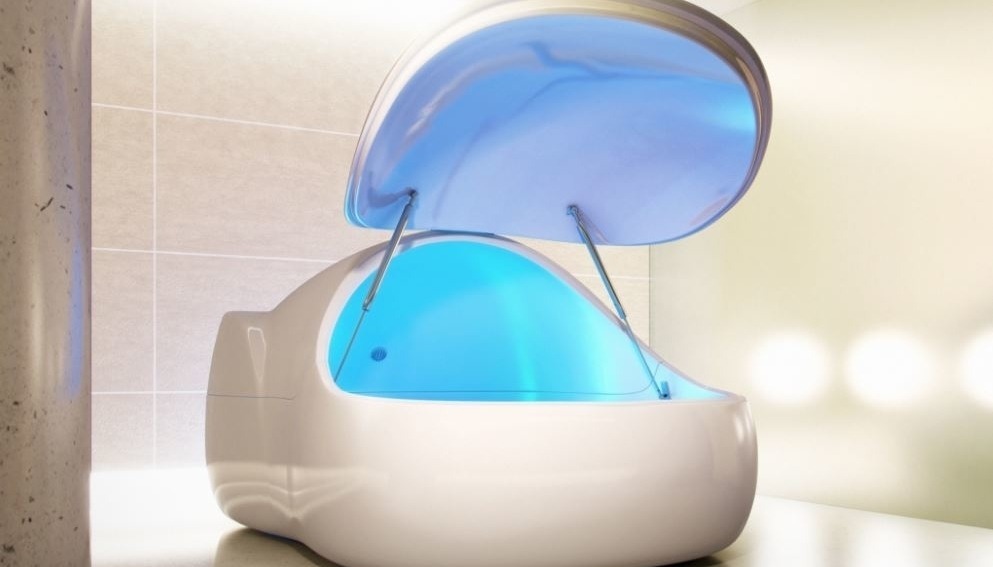
Floatation tanks (otherwise known as sensory deprivation tanks or isolation tanks) are pitch black, soundproof tanks filled with salt water at skin temperature. Effectively, they allow you to float without sensory input. They are used for all sorts of reasons. Athletes use them in order to benefit their training and facilitate recovery from injuries. Meanwhile,…

View Post

How to Differentiate a Religious Experience From a Psychotic Episode

There are possibly many ways in which we can define a religious experience. We need to ask ourselves: What features should such an experience exemplify? There is also the issue of trying to ascertain whether a certain experience is pathological in nature. For reasons which will become clear, I will be using the term religious…

View Post

Well-Meaning Phrases That Can Deepen Depression

One of the main reasons it’s often so difficult to talk about mental health is that we fear what others will think and say about us. This is mental health stigma. It is the negative attitudes and prejudices that society and the individual have about mental illness, as well as the guilt, shame, and embarrassment…

View Post

The Relationship Between Philosophical Outlook and Well-Being

If you have a miserable outlook on the world, then it makes sense that you would also feel miserable. However, there is some more nuance to this notion – that your philosophical outlook is tied to your well-being – than just accepting that pessimism leads to poor mental health outcomes. For instance, mental health aside,…

View Post

Why Mental Illness is Rare in Traditional Societies

The global incidence of mental illness is staggeringly high. According to the World Health Organization (WHO), one in four people around the world will be affected by a mental disorder at some point in their lives. It is interesting to note, however, which countries have the highest incidences of mental illness. Rates of depression and…

View Post