Negative Visualisation: How to Practise Gratitude Like a Stoic
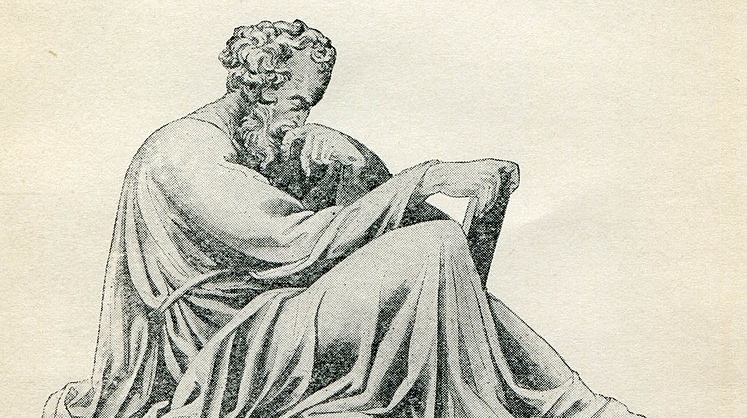
Negative visualisation might sound like an oxymoron at first. How could something negative be helpful? Well, in short, negative visualisation is a philosophical mindset and a coping mechanism developed by ancient Roman philosophers like Seneca, Epictetus, and Marcus Aurelius. It’s a Stoic principle, and it can help you cultivate gratitude in your life. (The method actually…

View Post

Emptiness in Buddhism: Exploring the Concept and Its Paradoxical Nature

Emptiness is a core aspect of Buddhist philosophy. This applies to both the Theravada tradition (the oldest existing school of Buddhism) and the Mahayana tradition (the later branch of Buddhism that accepts the teachings of early Buddhism but adds new texts and doctrines, such as the Mahayana Sutras and the emphasis on the bodhisattva path:…

View Post

Moving Beyond the Dominant Model of Mystical Experience

For many of the influential philosophers and psychologists who have studied mystical experiences, the feeling of unity or oneness is an essential feature of these states. Thinkers have described the unitive experience in different ways: as the unification of opposites or the union of oneself with the outside world, the entire universe, ultimate reality, or…

View Post

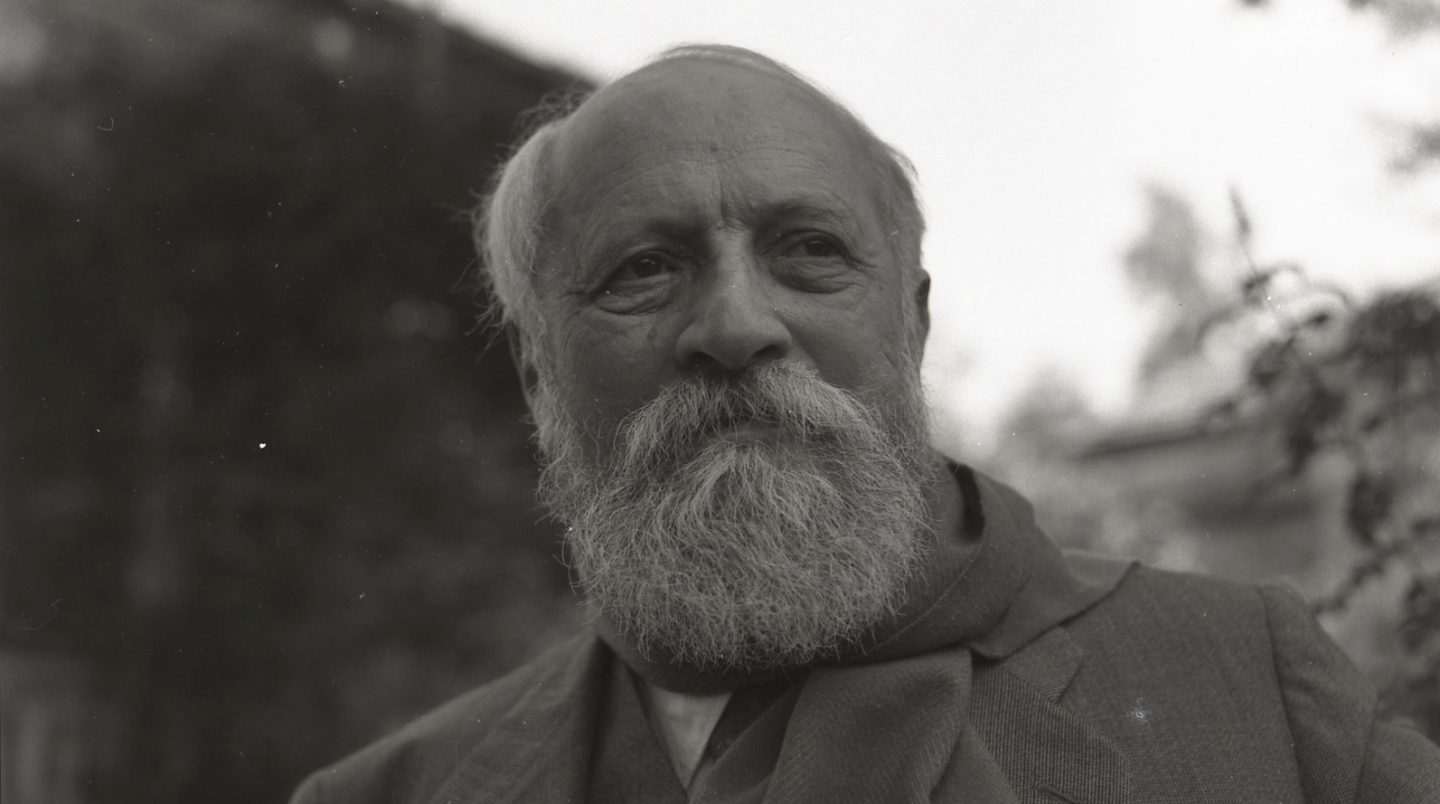
Book Review: I and Thou by Martin Buber

I first heard about the Jewish philosopher Martin Buber (1878–1965) and his book I and Thou (1923) from a therapist I used to see. I remember that out of nowhere and for a period of several weeks, I was feeling unusually elated and blissful, and I would have (what felt like) these very deep and meaningful…

View Post

Metaphysical Insight: Psychedelics, Noetic Experiences, and Spinoza’s God

The feeling of gaining direct knowledge of something grand or important about reality is a common aspect of mystical experiences generally and psychedelic mystical states more specifically. This is known as a noetic experience, one of the four defining qualities of a mystical experience, as propounded by the American psychologist and philosopher William James in…

View Post