Psychedelics and the Experience of the Sublime

The connection between psychedelics and philosophy isn’t made too often, despite the fact that there are myriad ways in which the psychedelic experience can relate to, challenge, contextualise, and add weight to various philosophical ideas and theories. There is, however, a definite history to the philosophy of psychedelics, with writers such as William James and…

View Post

Is DMT an Effective Antidepressant?

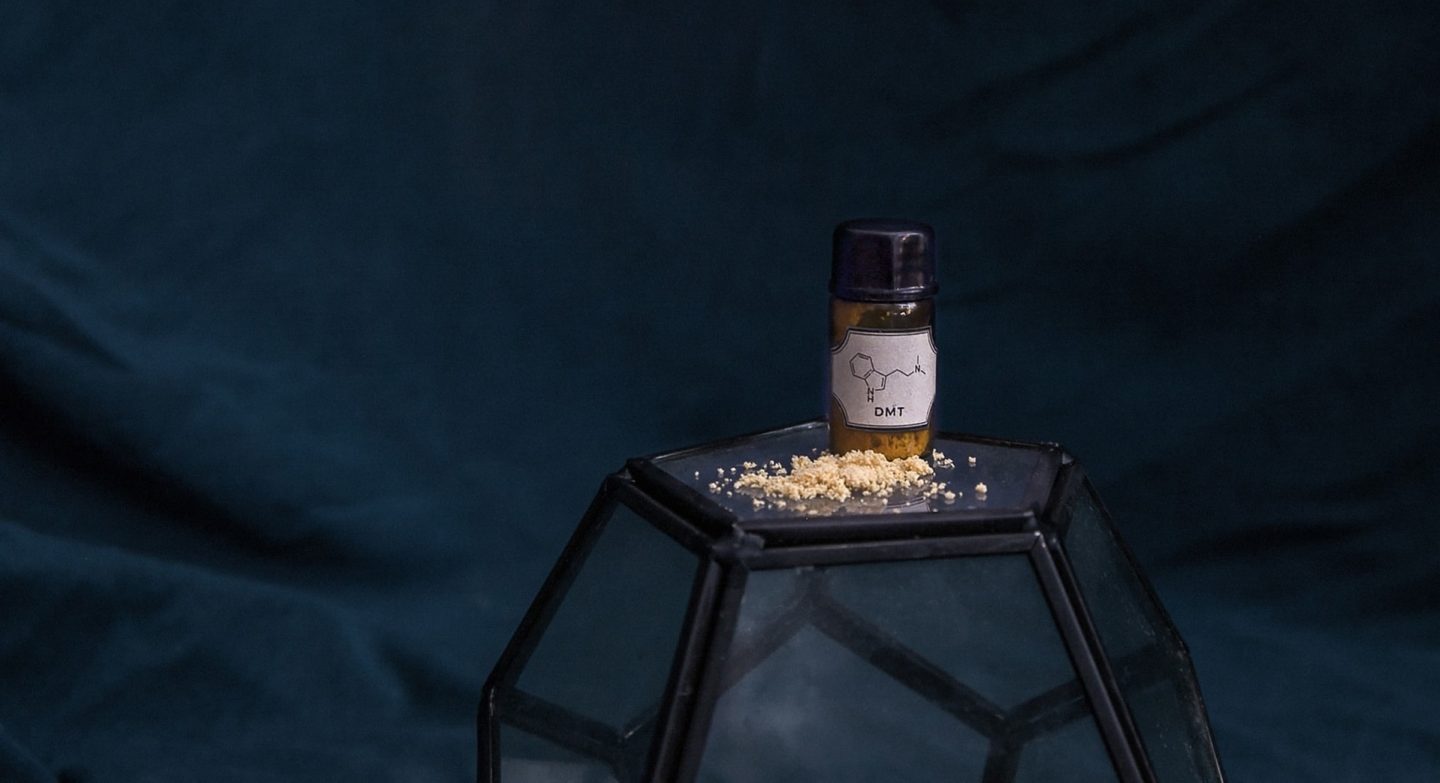
Many anecdotal reports suggest that DMT can have antidepressant effects, both in terms of microdosing the substance and by means of larger doses, which result in mystical experiences. While we have seen a flourishing of research into the antidepressant potential of psilocybin (the active ingredient in ‘magic mushrooms’), little research has been carried out into…

View Post

DMT and the Simulation Hypothesis

The simulation hypothesis (also known as the simulation argument or simulation theory) proposes that reality as we know it is a simulation – and most likely a computer simulation. If this argument is true, it means that everything – ourselves, everyone on the planet, and the universe at large – is not what we think…

View Post

Why Does Social Anxiety Exist?

Social anxiety is a debilitating nervousness of being in social situations, which affects up to 12% of people in the UK. This makes it the most common type of anxiety disorder (for comparison, generalised anxiety disorder is present in 6% of the UK population). Common symptoms of social anxiety disorder include intense worrying about interactions…

View Post

In What Way is Depression Painful?

Depression is not normally a condition that is associated with pain. When we think of pain, we might think of the acute pain of stubbing your toe, the more sustained and intense pain of breaking a bone, or the chronic pain of a physical disease or condition. But depression is painful. It’s just a difficult…

View Post