The Ethics of Haggling in a Developing Country
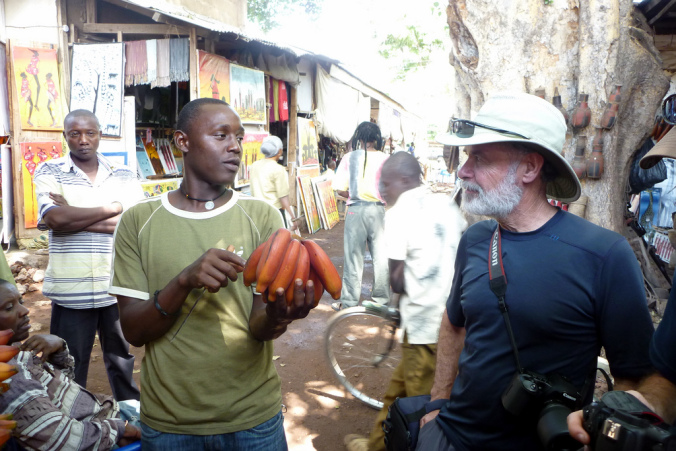
Frugality is a virtue, especially when it comes to travelling. There is a problem, however, when frugality turns selfish; when a penny-pinching mentality is adopted in developing countries, and you start haggling over certain things, involving differences in price that are more or less negligible for you. No one likes to be ripped off, especially…

View Post
A Healthy Response to Privilege is Gratitude, Not Guilt

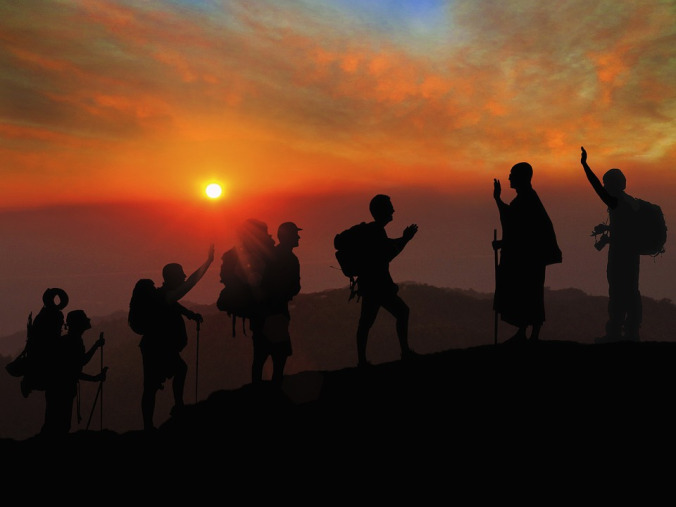
It’s easy to feel guilty about having an advantage in life due to the accident of being born in a first-world country to a middle-class family. Being able to travel is considered an incredible luxury – more like a pipe dream, really – by nearly half of the world’s population, who live on less than $2.50…

View Post

Gift Economy: Living Without Money

A gift economy is a model of exchange where valuables or some commodity is given away without an agreement for an immediate or future reward. Every transaction involves either giving or receiving gifts and presents. In a gift economy, there is no money and there is no private property. At first sight, a gift economy seems…

View Post

A Critical Look at Sweatshops

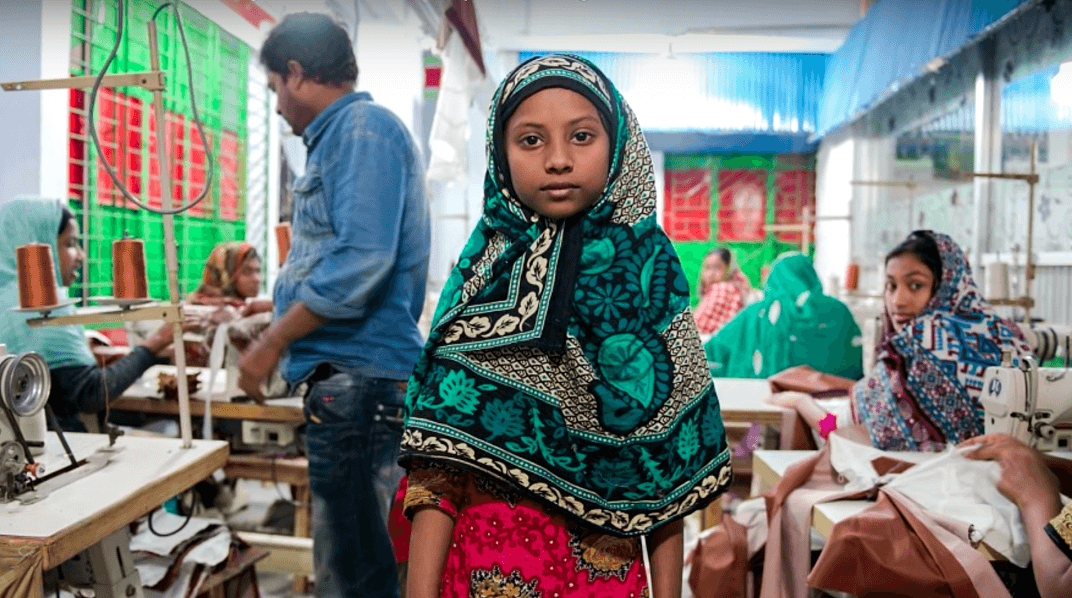
Sweatshops entail long hours with no breaks, terrible working conditions, a disgracefully low pay, abuse from employers and sometimes, worst of all, an abuse of child labour laws. Sweatshops are responsible for violating these workers’ human rights and for breaching laws relating to overtime and minimum wage. Some of the human rights that sweatshops breach,…

View Post

The Wealthiest Countries Are Not Always the Happiest

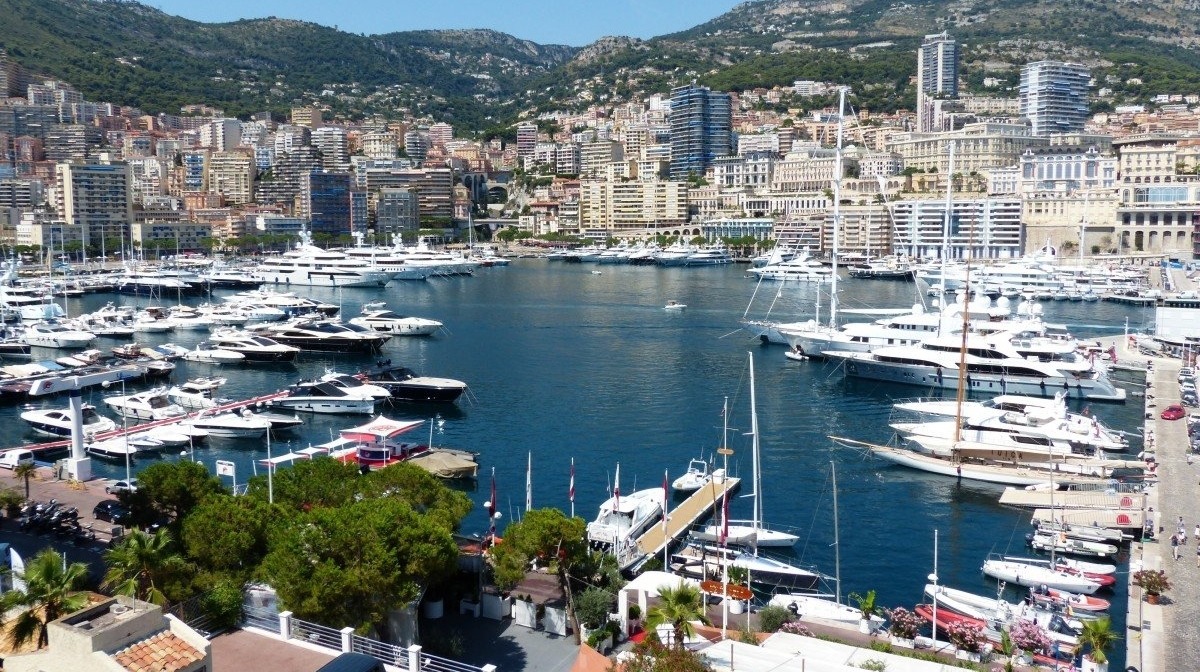
The extent to which a country is “developed” is usually expressed in terms of its Gross Domestic Product (GDP). The GDP of a country is the market value of all its goods and services at any given time. The higher the GDP, the more material goods and wealth that country possesses. The country with the highest…

View Post